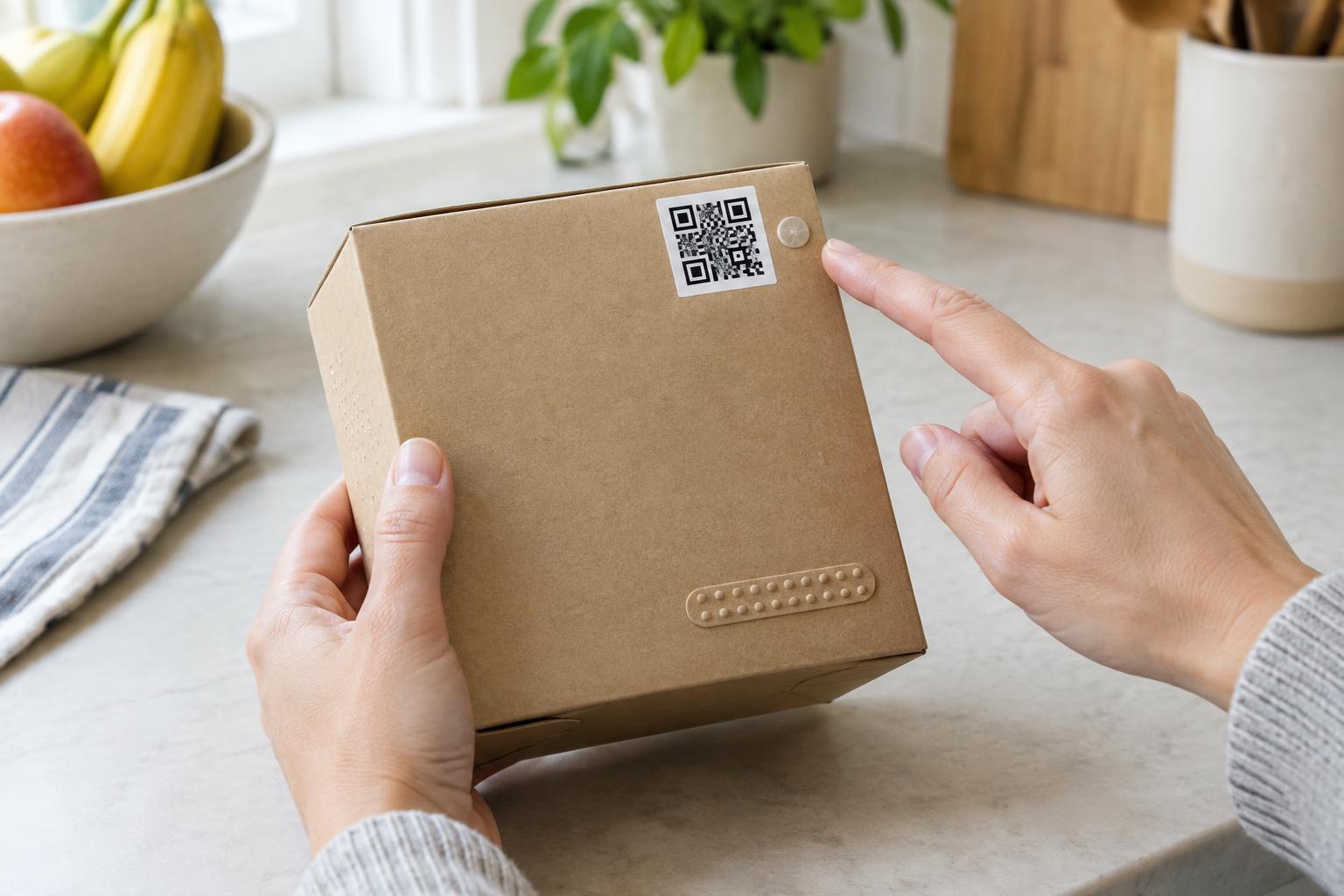
AccessibilityA QR code on a package is useful only if a customer can locate it. Consistent placement, clear visual cues and an accessible alternative can make packaging easier to use for people with different vision and dexterity needs.
Read article · 3 min↗
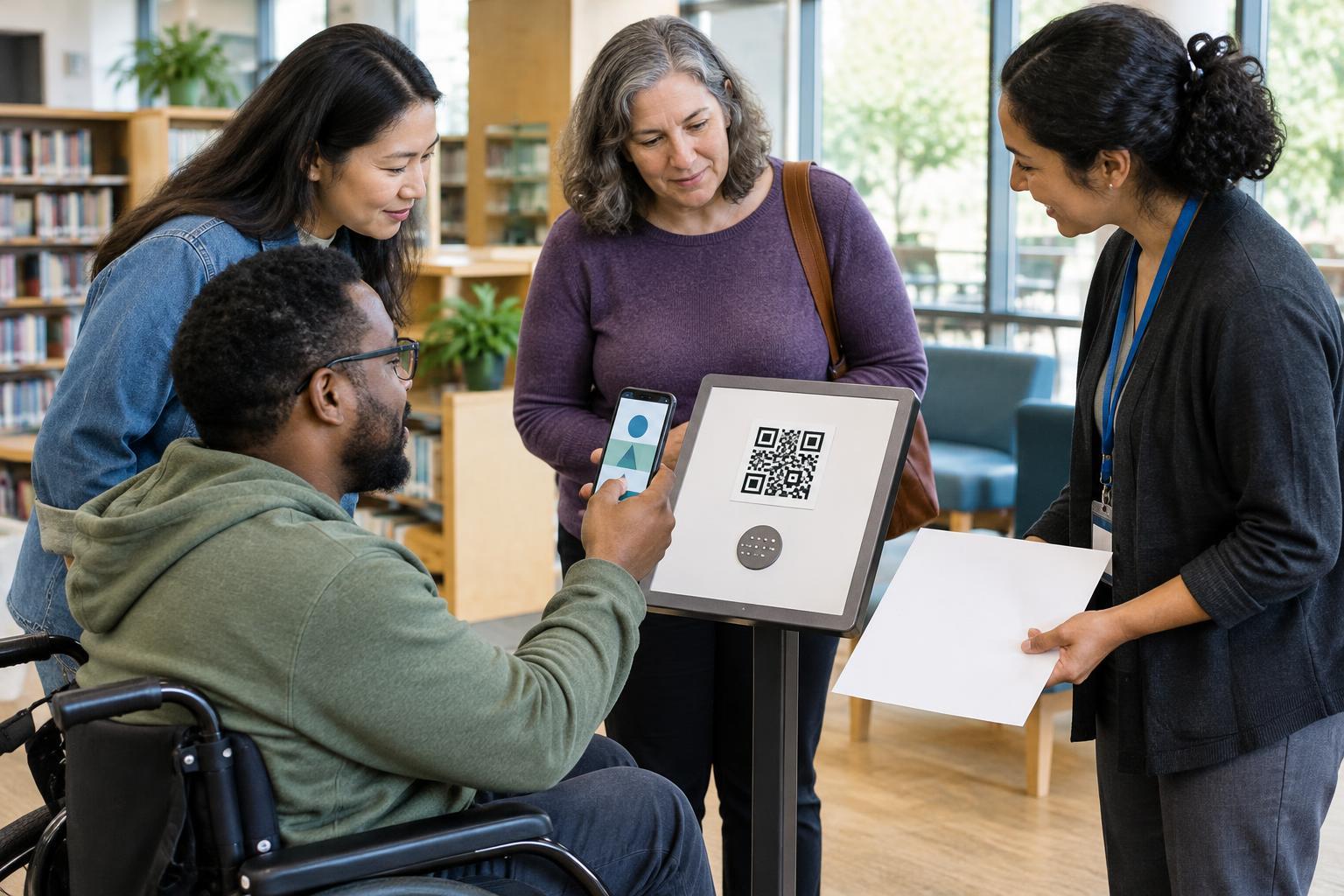
AccessibilityA QR code is only one step in an experience. Learn how to test whether people can find it, scan it, understand the destination and complete the task—with or without a smartphone.
Read article · 4 min↗
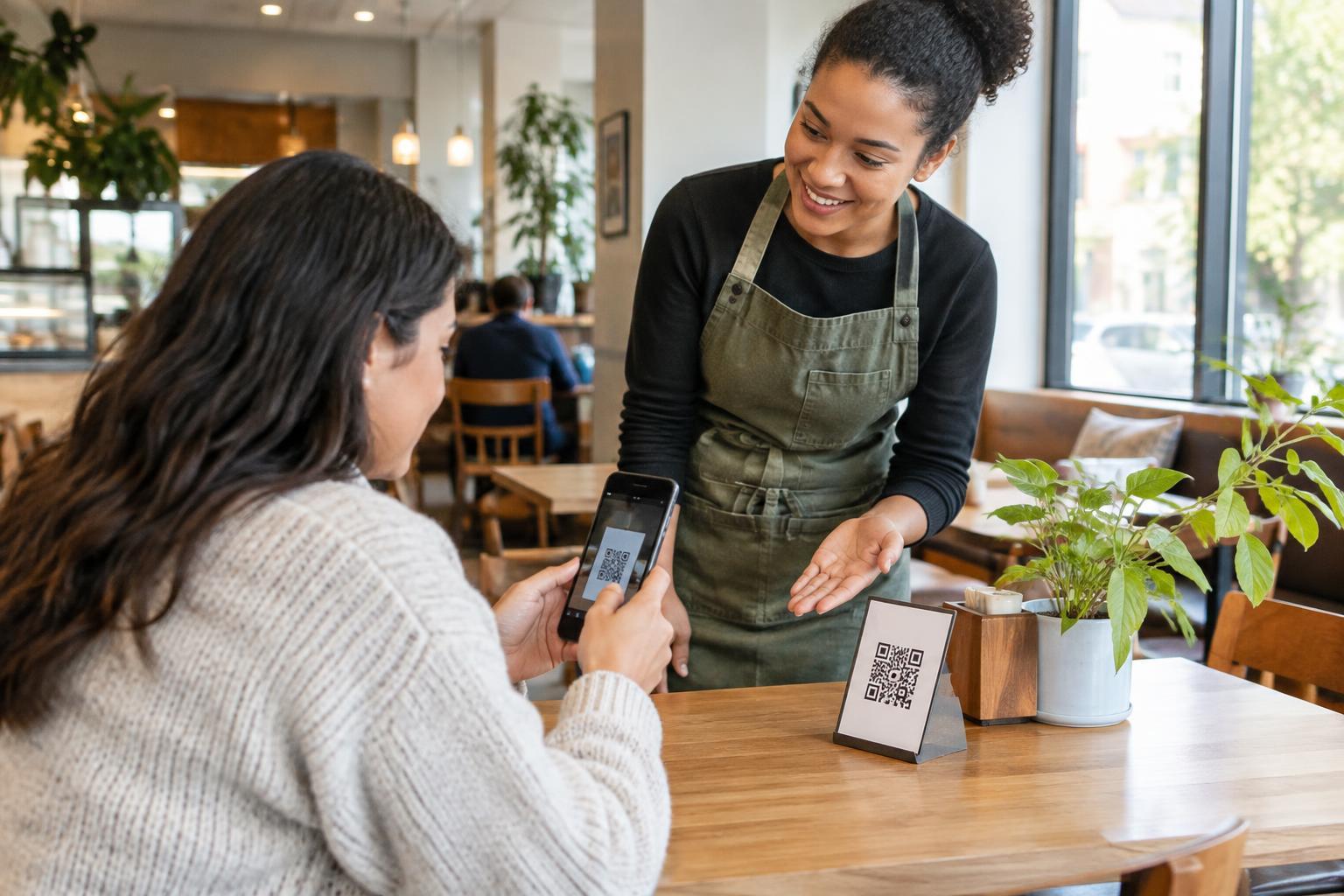
AccessibilityA customer who pauses at a QR code may need help, an alternative, or simply more time. Staff can make scanning easier by asking what the customer prefers, offering clear verbal guidance, and keeping the phone in the customer’s hands.
Read article · 4 min↗
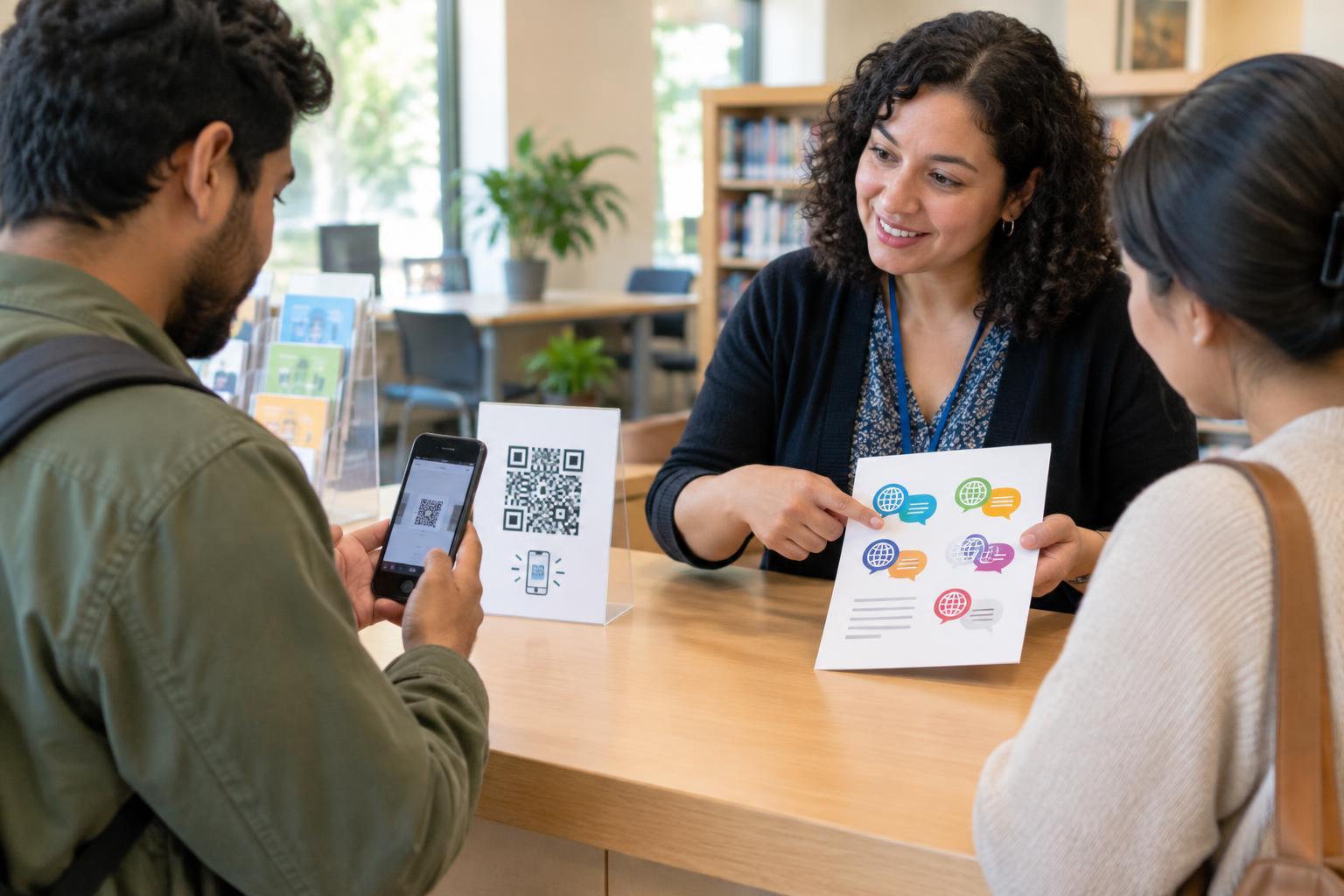
AccessibilityA QR code can help people reach translated information, but it should not be the only way to get it. Learn how to choose language options, make them easy to find, and provide alternatives for people who cannot scan.
Read article · 4 min↗

AccessibilityA QR code can make information convenient to reach, but it should not be the only way to reach it. Learn how to provide clear alternatives for customers who cannot or prefer not to scan.
Read article · 4 min↗
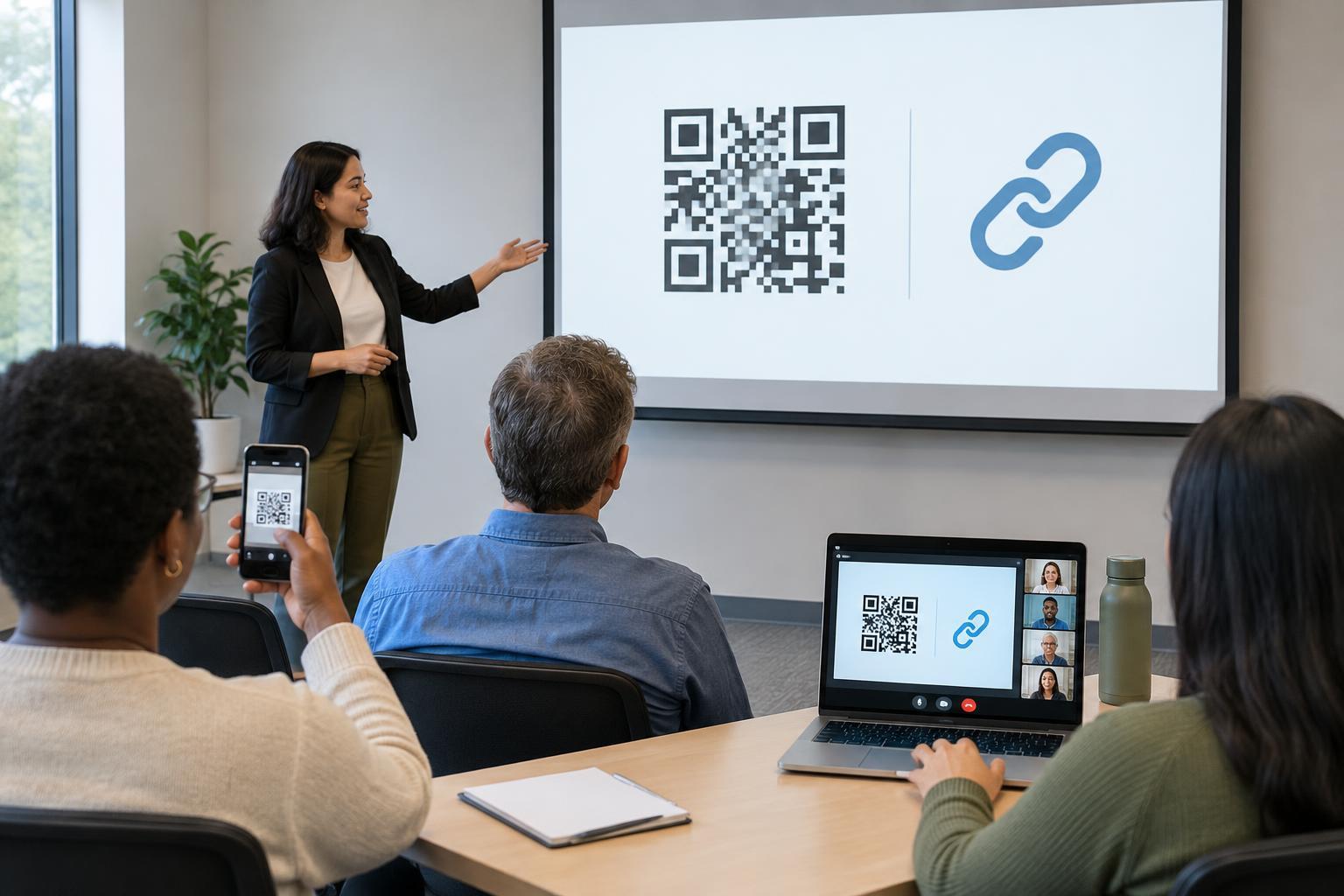
AccessibilityA QR code can help an audience open slides, resources or a feedback form, but it should never be the only route. Learn how to pair codes with readable links, design slides for scanning and give remote and in-person attendees enough time to participate.
Read article · 4 min↗
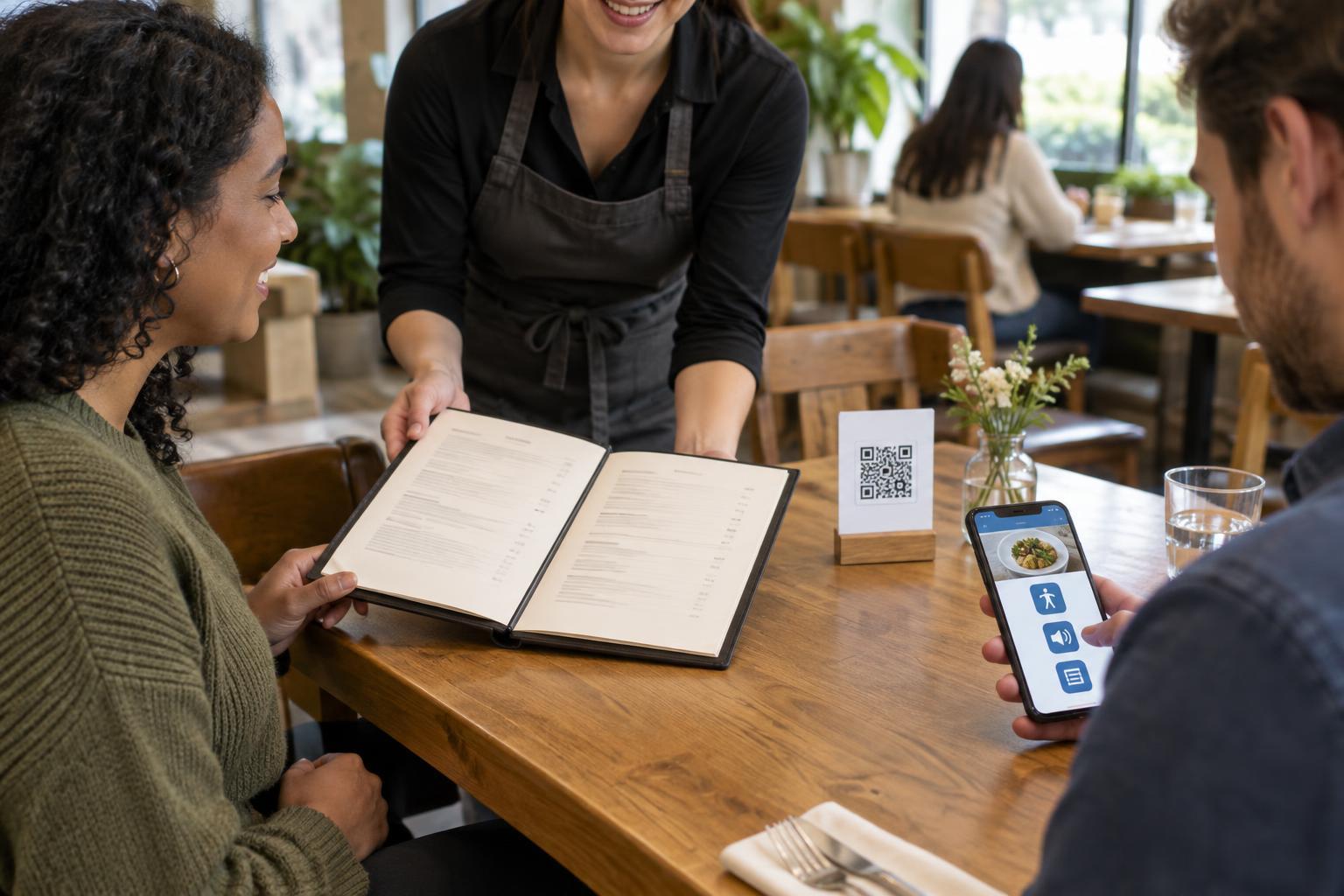
AccessibilityA QR code can make a restaurant menu convenient, but it should not be the only way to read one. Learn how to offer printed, spoken and accessible digital alternatives so guests can choose what works for them.
Read article · 4 min↗
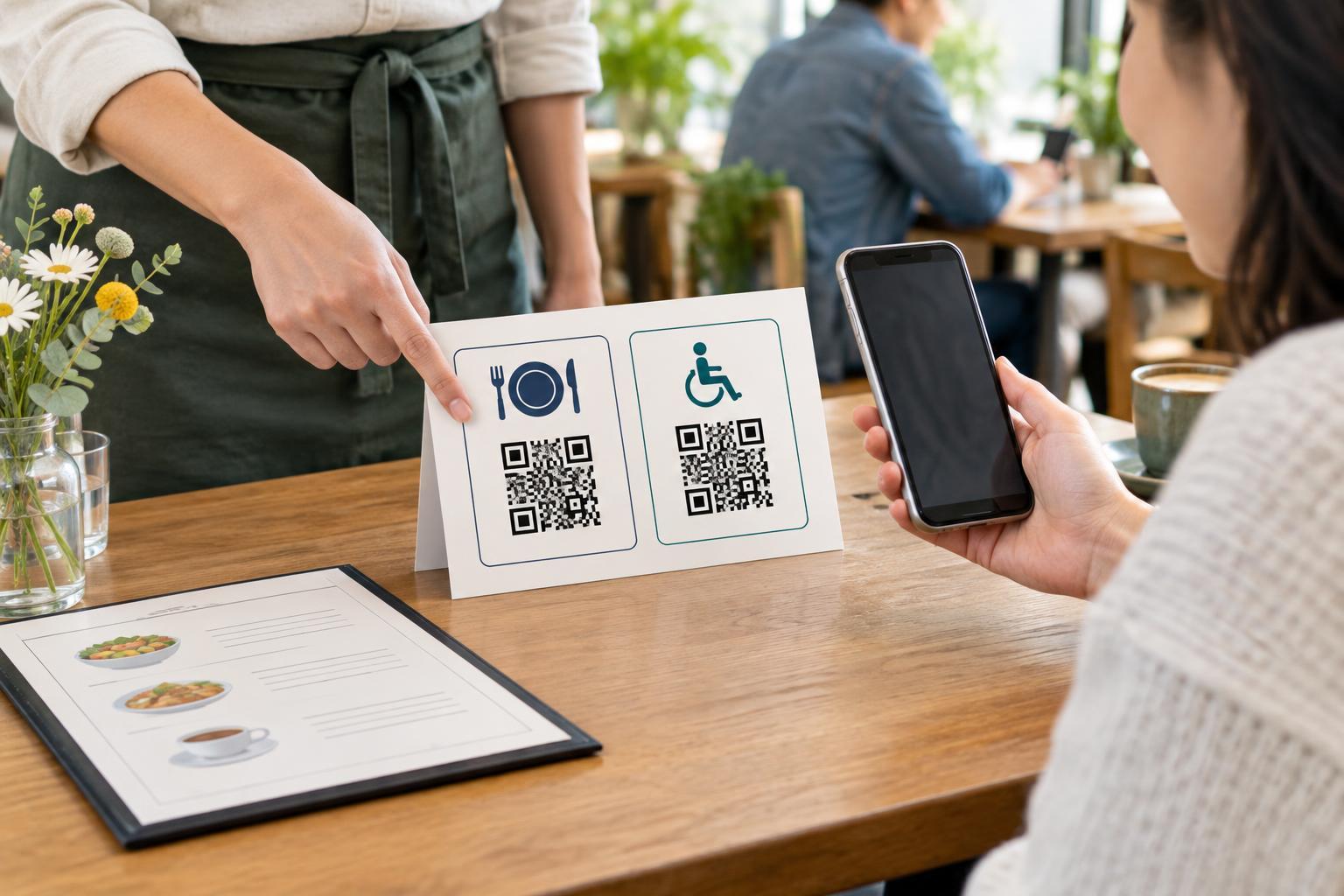
AccessibilityWhen several QR codes appear together, people should not have to guess what each one does. Clear labels, distinct placement, readable print and non-QR alternatives can make menus, signs and handouts easier for more people to use.
Read article · 4 min↗
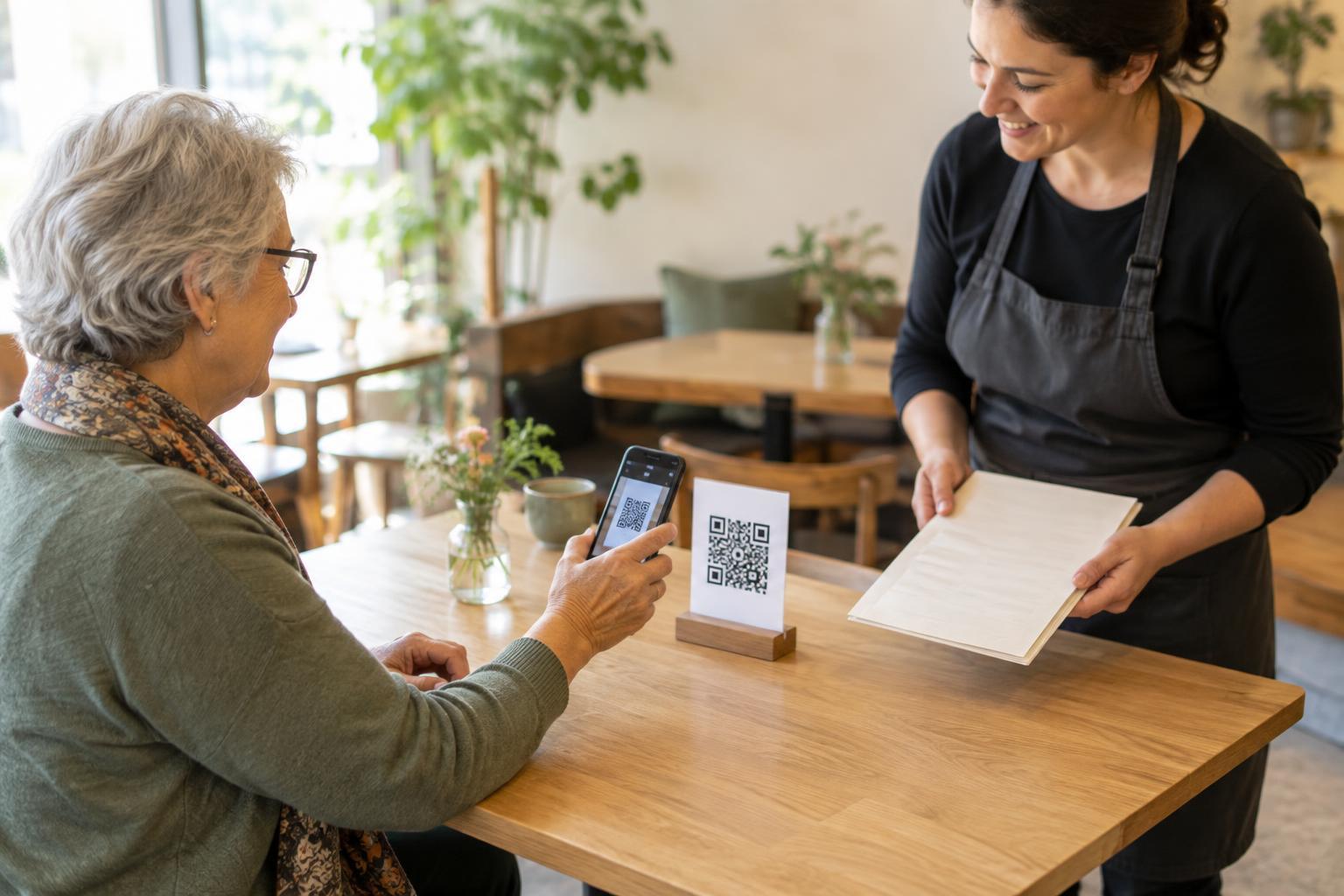
AccessibilityA QR code may scan instantly, but the task it opens can take much longer. Learn how to design menus, check-ins, forms and sign-in flows that give people enough time, preserve their progress and offer a usable alternative.
Read article · 4 min↗
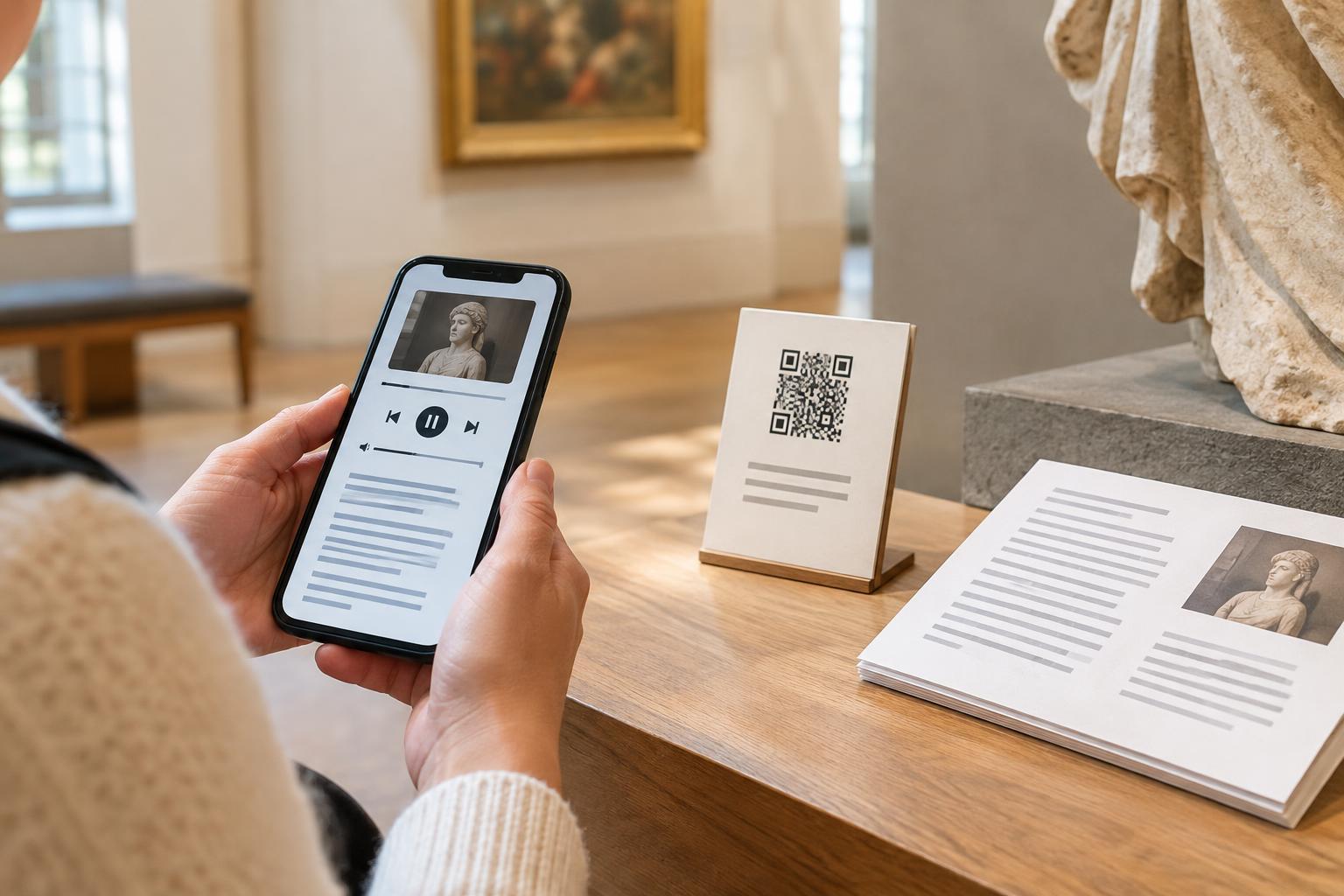
AccessibilityA QR code can make an audio guide easy to open, but it should not make the information available only to people who can hear it or scan the code. Learn how to pair QR-linked audio with a useful transcript and a clear alternative way to reach it.
Read article · 3 min↗
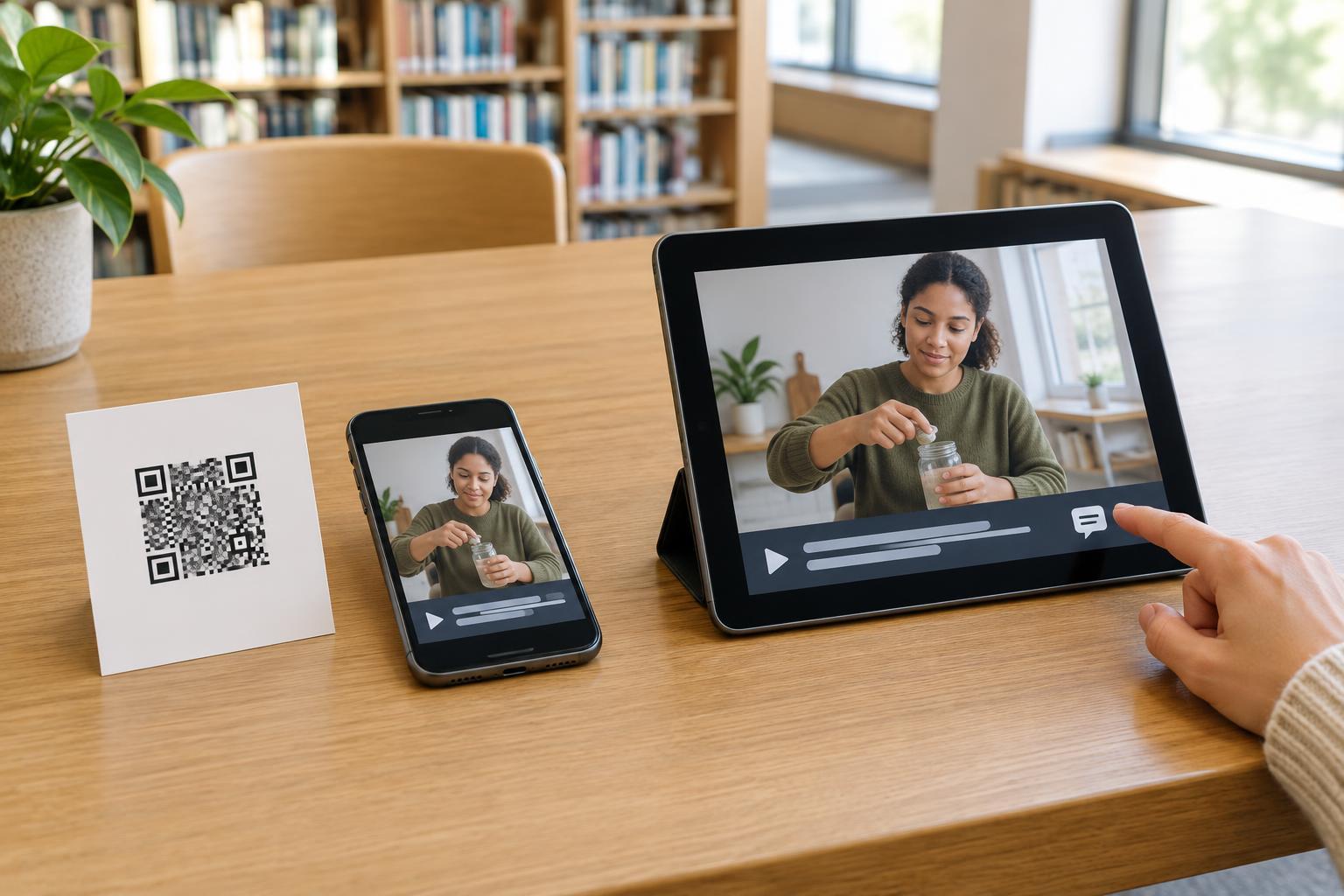
AccessibilityA QR code can make a video easy to open, but access does not end at the scan. Learn how to provide accurate captions, choose a useful landing page, and offer another way to reach the same information.
Read article · 4 min↗
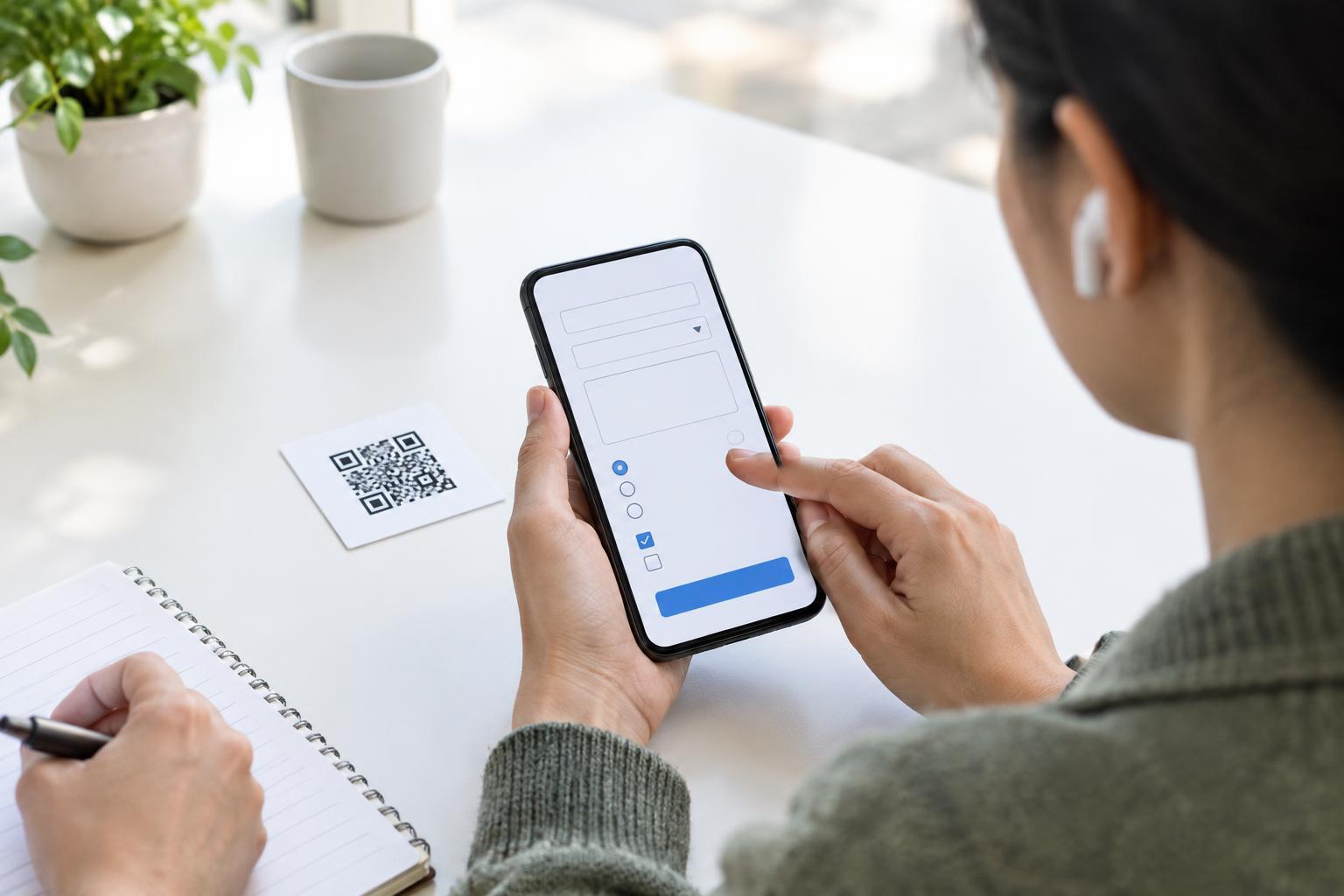
AccessibilityA QR code may be easy to scan, but the form it opens still needs to be usable. Learn how to test a QR-linked form with a screen reader, from the first page announcement through field labels, errors, and submission.
Read article · 4 min↗
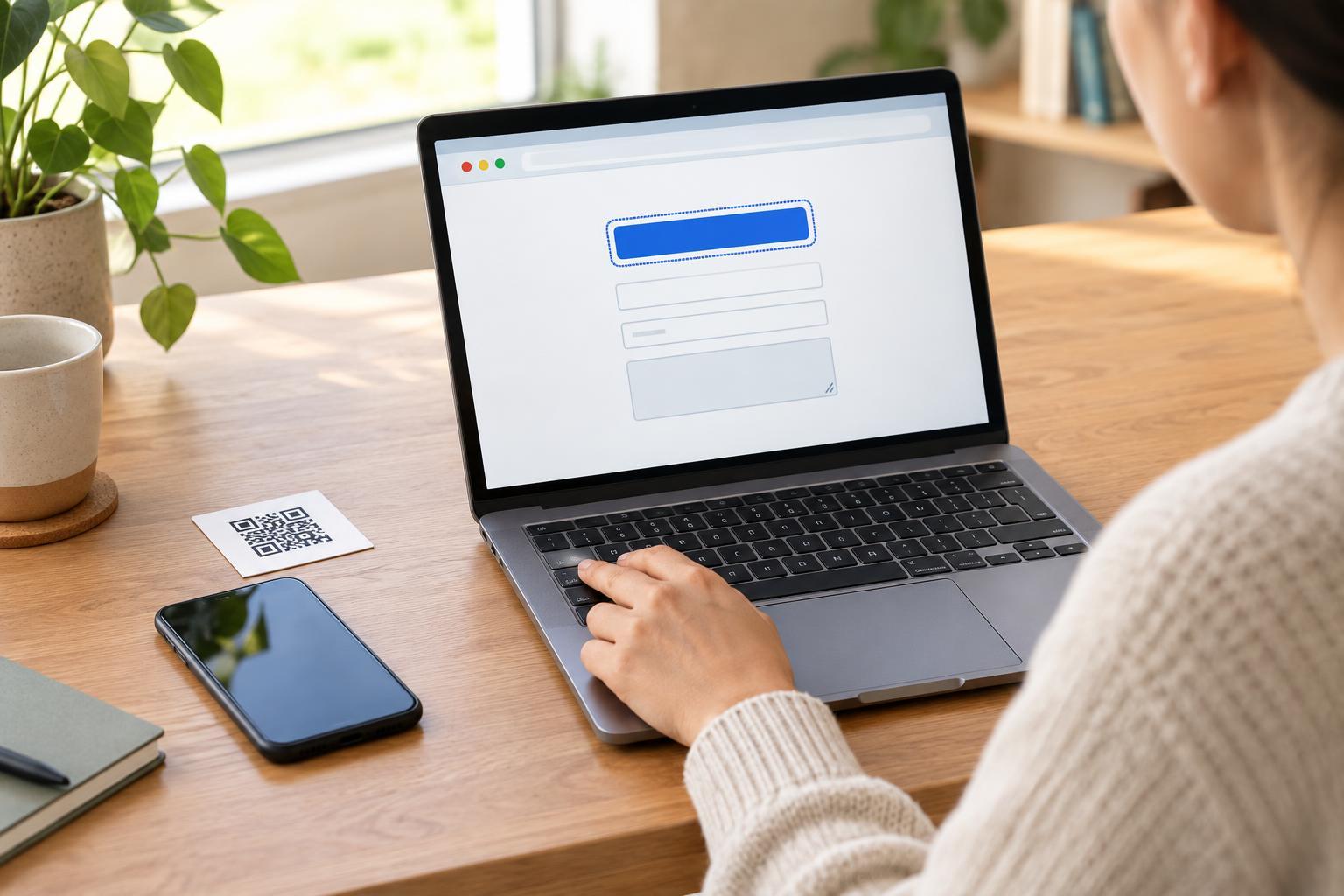
AccessibilityA QR code can make a page easy to open, but the experience does not end at the scan. Learn how to make QR-linked pages usable without a mouse, from providing another way to reach the page to checking focus order, forms and pop-ups.
Read article · 4 min↗
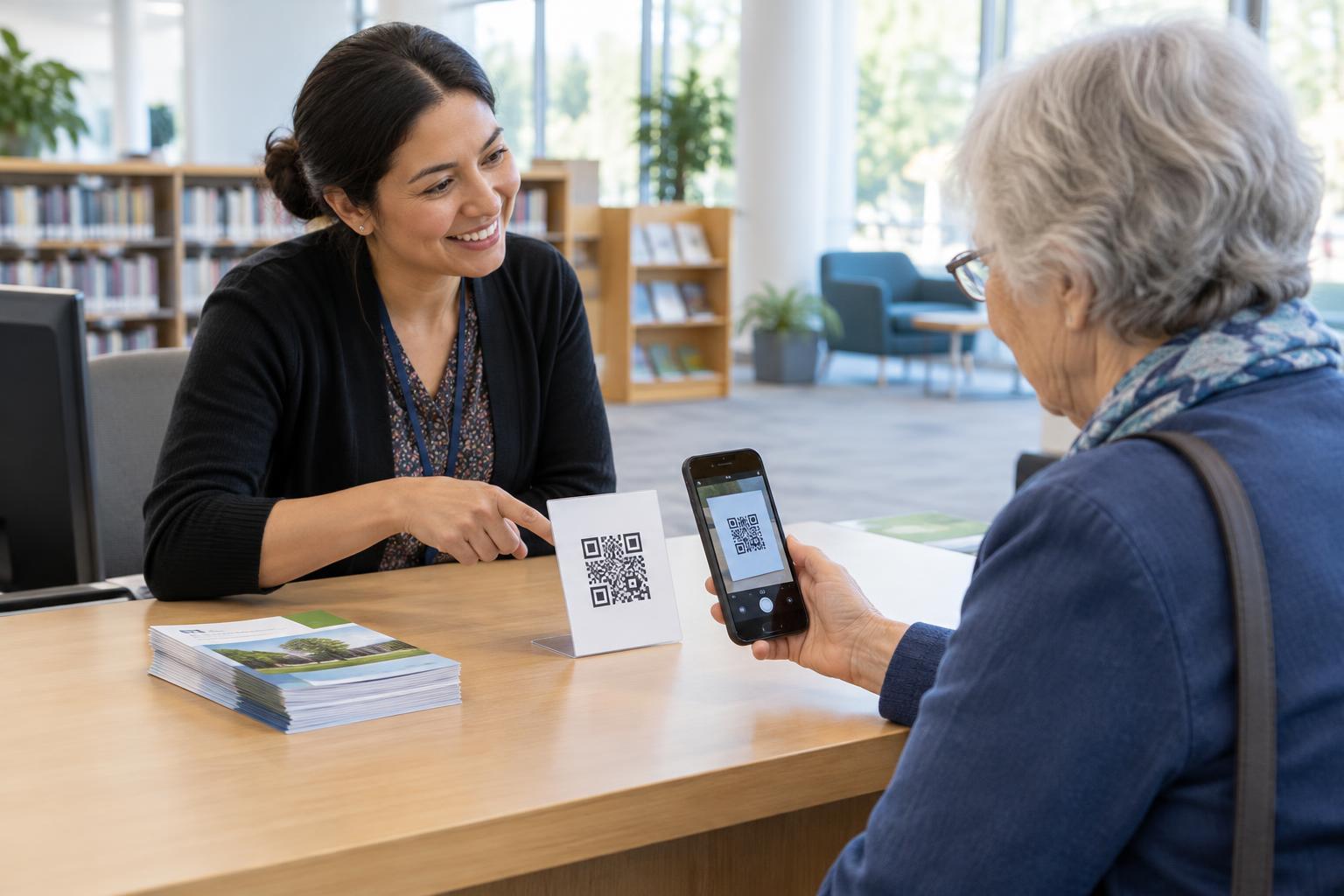
AccessibilityA QR code is more useful when people understand what it does and how to use it. Learn how to write short scanning instructions, describe the destination, offer another way to access the information, and help people decide whether to open a link.
Read article · 4 min↗
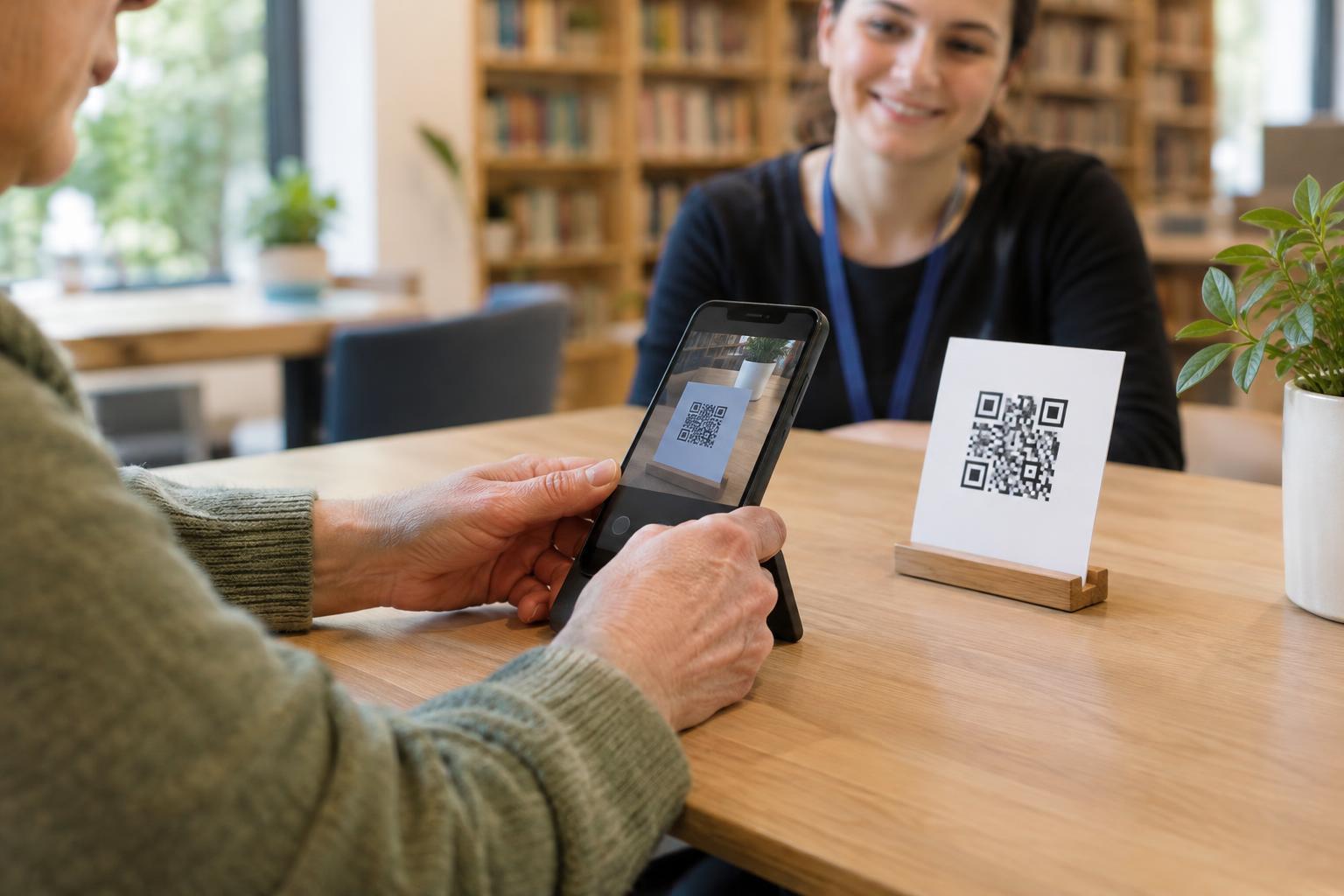
AccessibilityA QR code can be easy to see but difficult to use if scanning requires a steady hand, an awkward reach or several precise taps. Learn how to make the code, its instructions and the task that follows easier to use, with a clear alternative for anyone who cannot scan.
Read article · 4 min↗
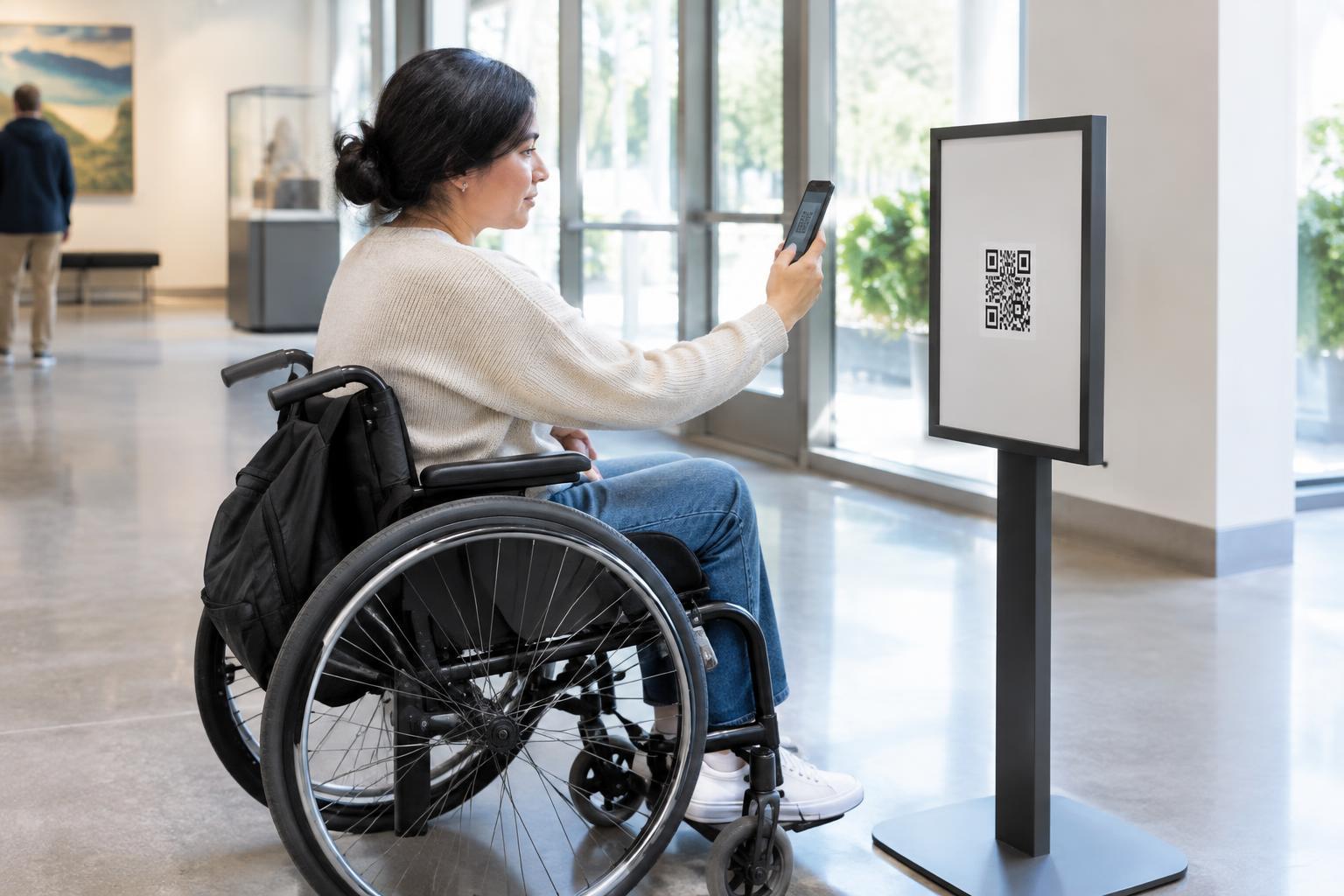
AccessibilityA QR code is only useful when people can get close enough to see and scan it. Learn how placement, clear space, lighting and alternative ways to access the same information can make QR experiences more usable for wheelchair users.
Read article · 4 min↗

AccessibilityQR codes can make information convenient to open, but they should not be the only way to reach it. Learn how to pair QR-linked menus, instructions and forms with practical alternatives for customers who do not have a smartphone.
Read article · 4 min↗
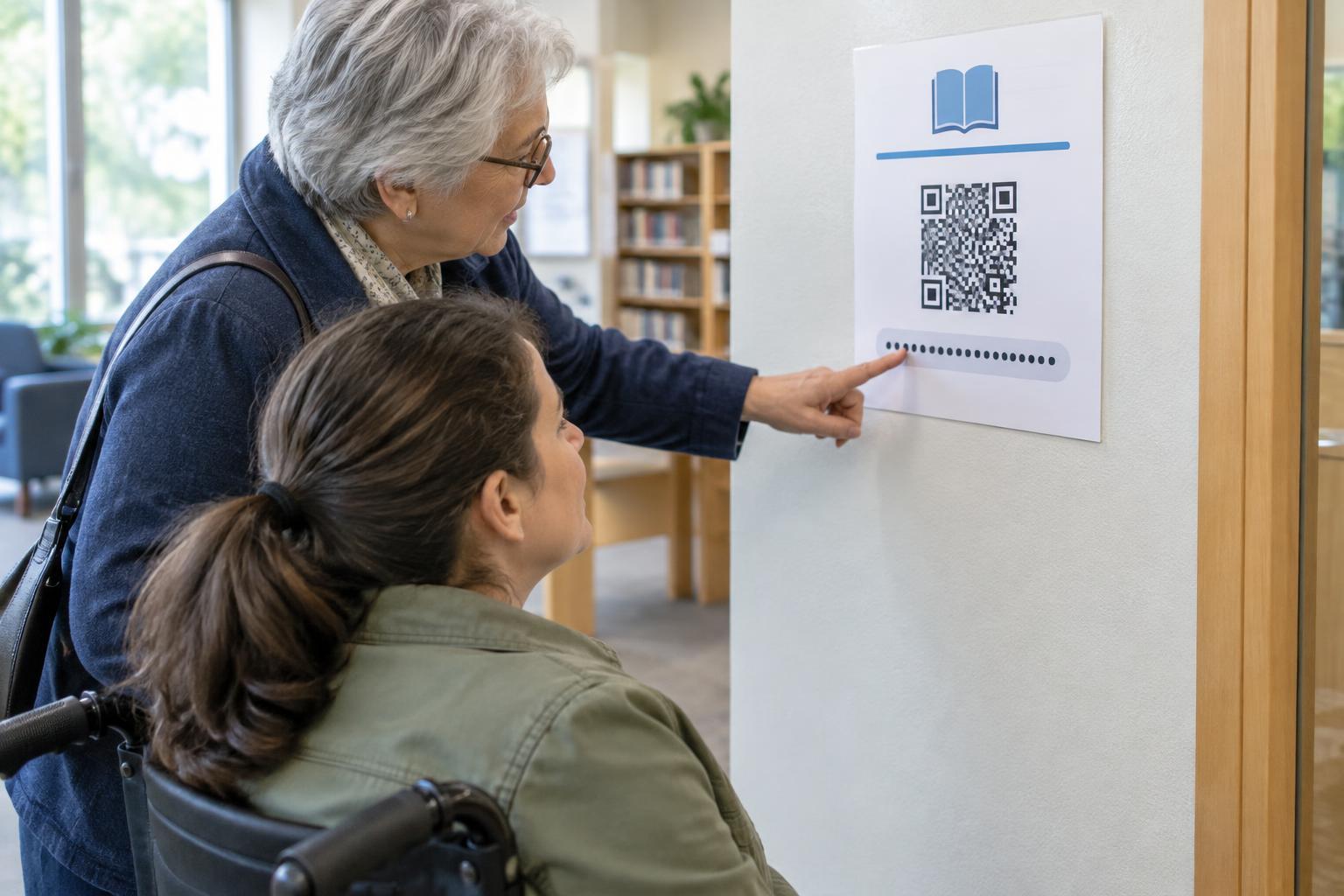
AccessibilityA QR code can make a printed notice convenient, but it should not be the only route to essential information. Learn how a readable web address helps people who cannot scan and how to make both options easy to use.
Read article · 4 min↗
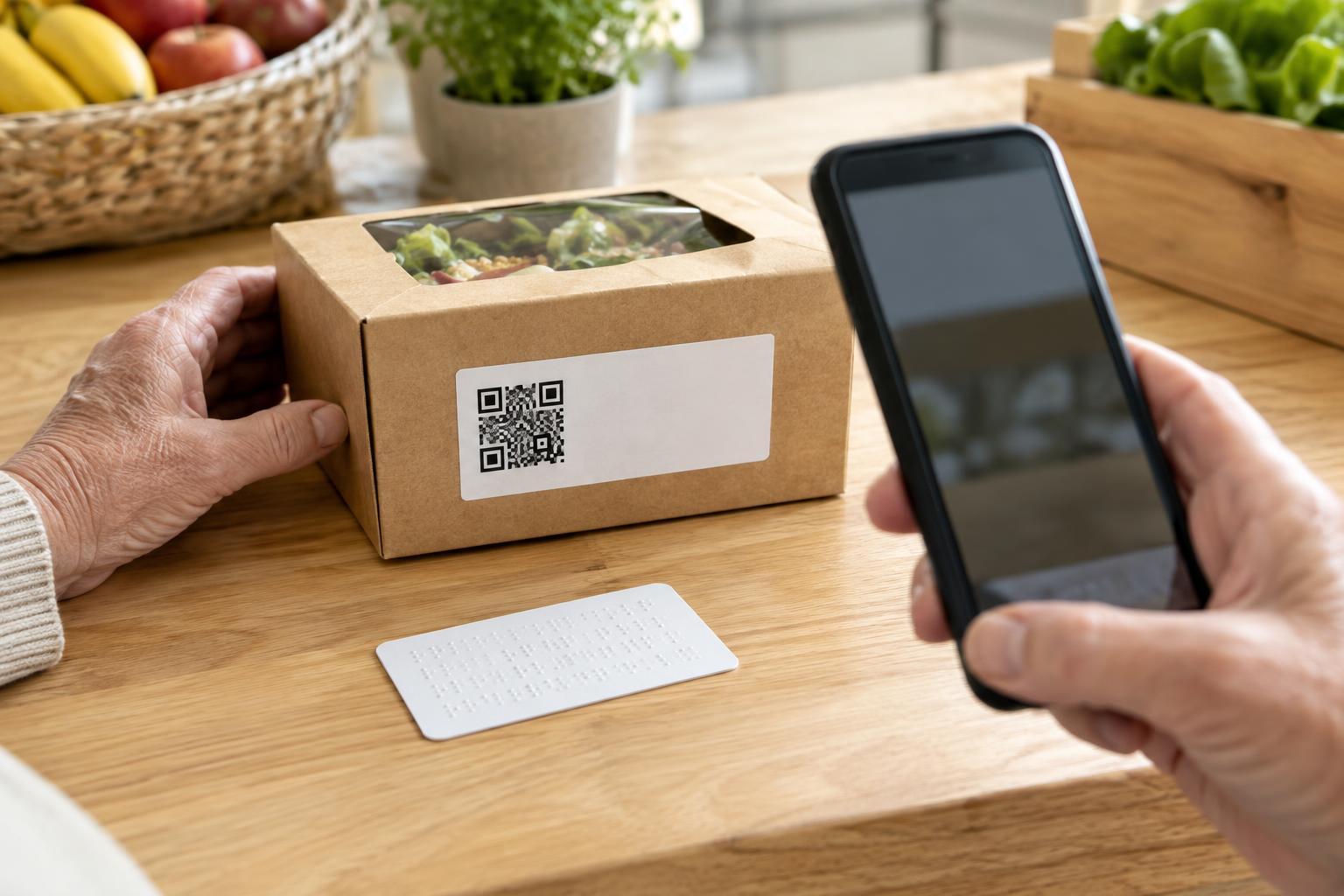
AccessibilityA QR code is more useful when people know what it opens and what to do if they cannot scan it. Learn how to write clear labels for signs and packaging, place them where they are easy to find, and offer another way to get essential information.
Read article · 4 min↗
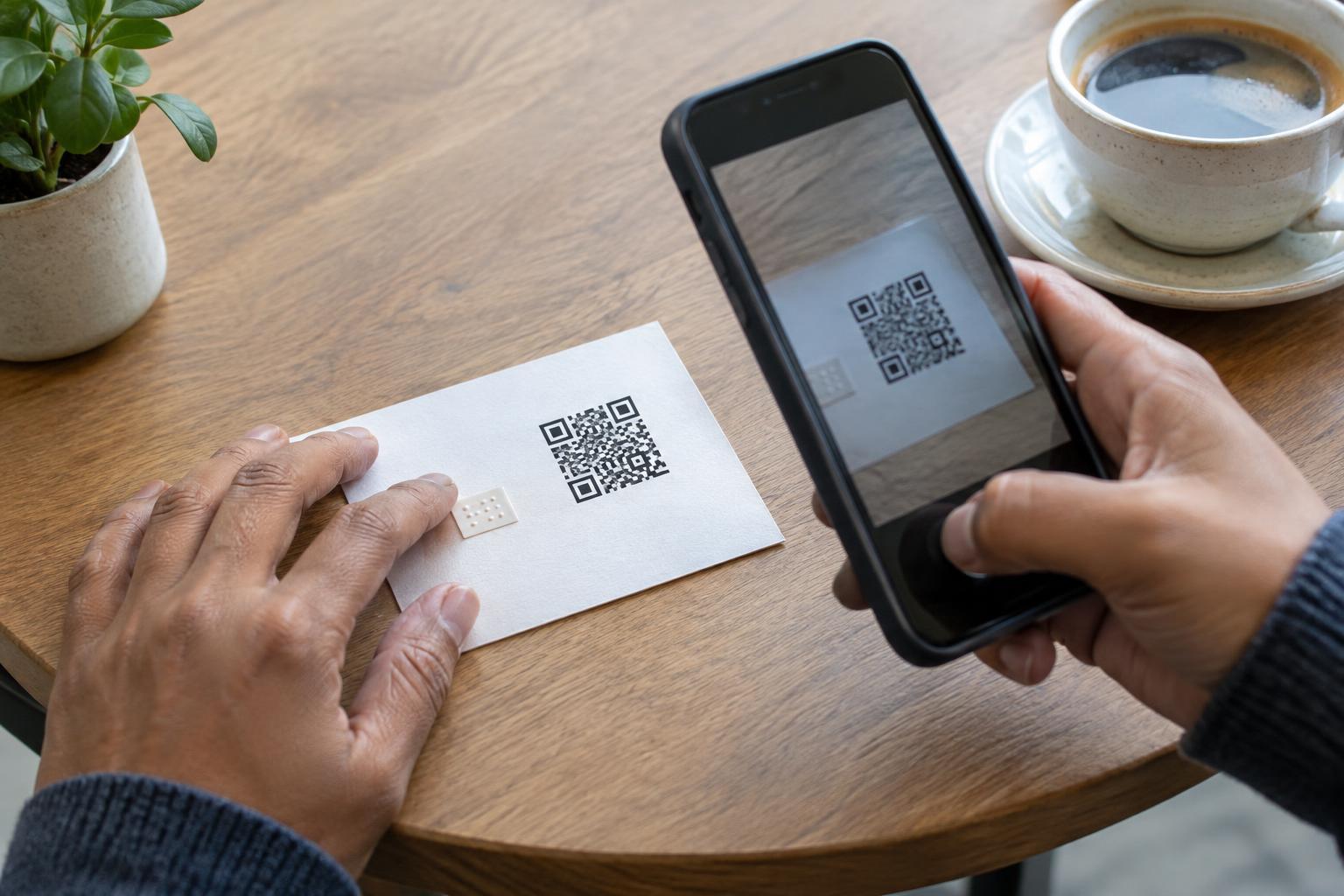
AccessibilityA screen reader can help someone use a phone’s camera, but it cannot reliably reveal where a printed QR code is. Learn practical ways to make codes easier to locate and scan, and why an accessible alternative matters.
Read article · 4 min↗
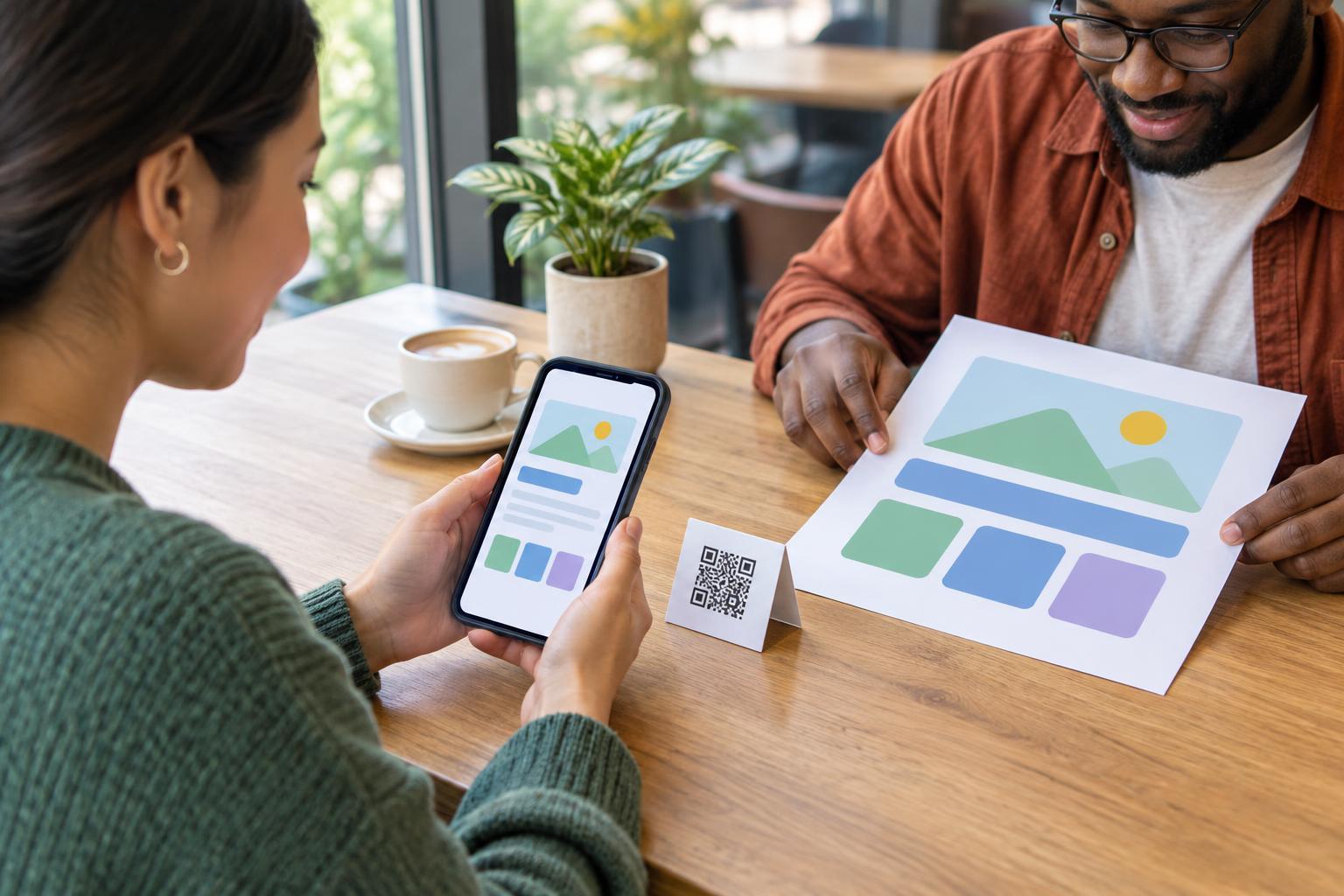
AccessibilityA QR code can make information convenient to reach, but a successful scan is only the beginning. Learn how to make the linked page easier to read, navigate and use—and how to offer another way in for people who cannot or prefer not to scan.
Read article · 4 min↗