A scan reads information; it does not remove it
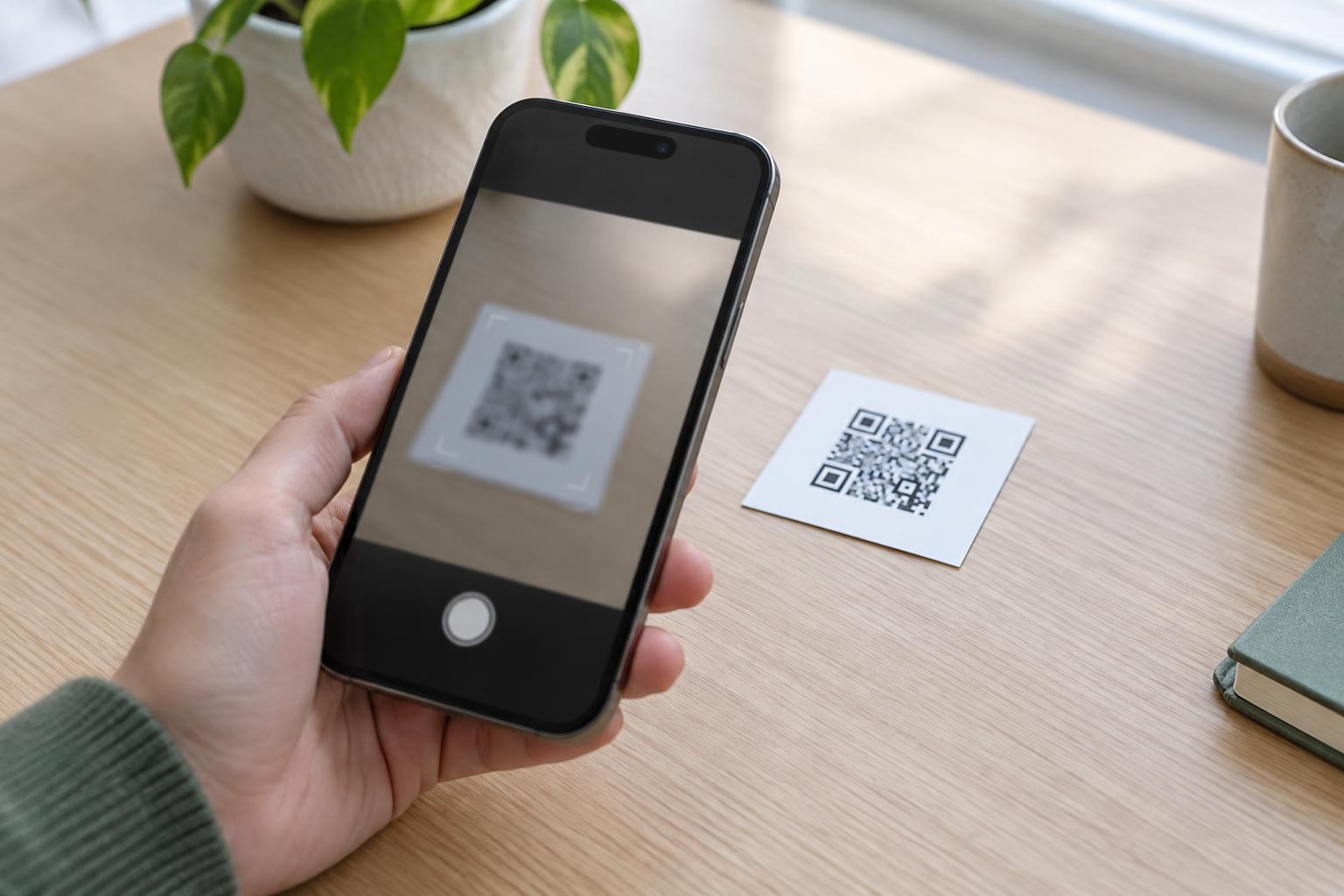
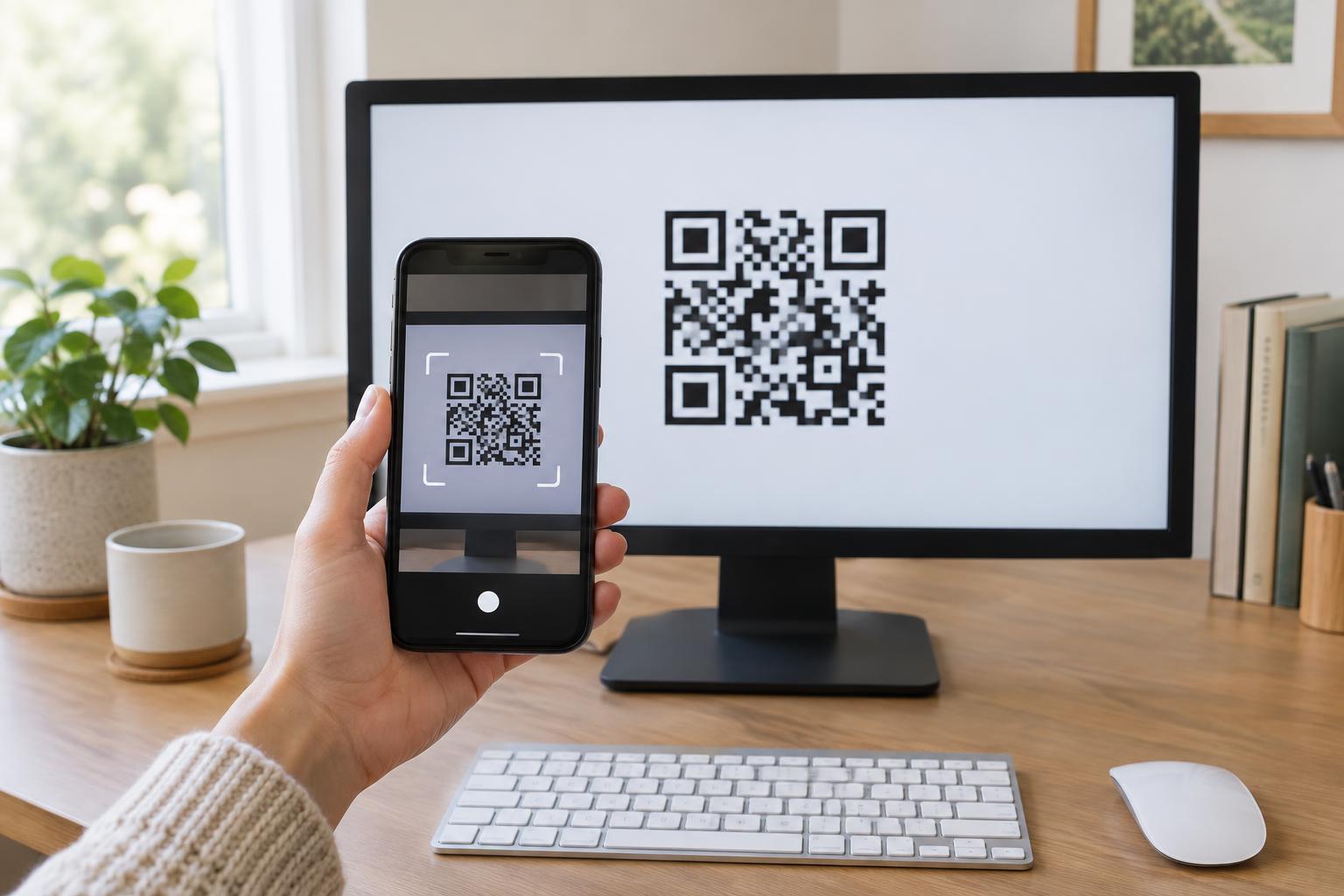
A QR code is a pattern that represents data. A phone camera detects the pattern, and scanning software interprets it as information such as a web address, a short message or contact details. Reading that pattern does not alter the printed sign, label or screen displaying it. In that respect, scanning a QR code is more like reading a street sign than tearing a ticket.
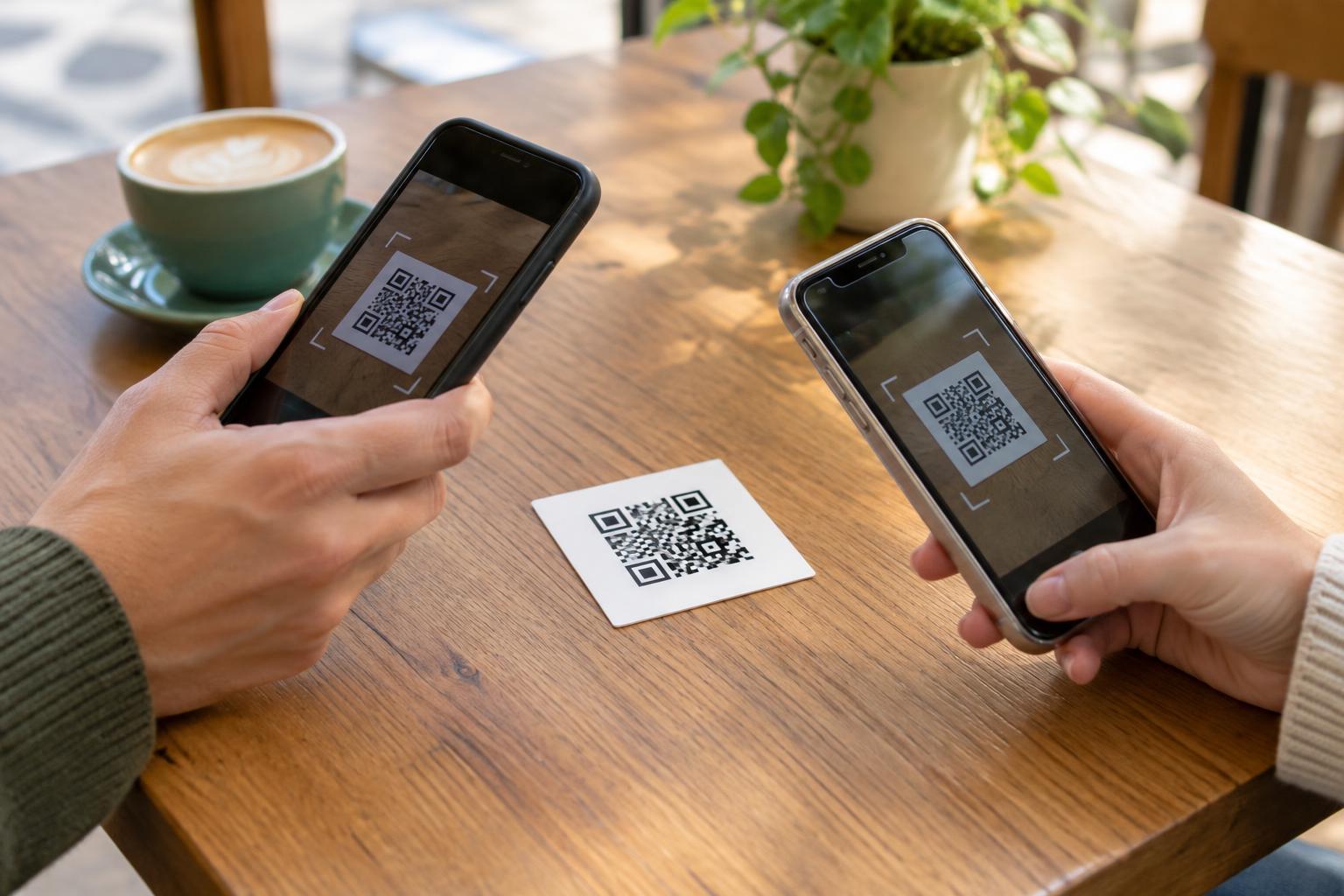
That is why one person can scan a code twice, or many people can scan the same code in turn. If the image remains readable and the scanning app handles its contents, each scan can recover the data encoded in the pattern. A café might print one code on a tabletop sign so every customer can open the menu without needing a separate code.
The code and the destination are different things
When a QR code contains a web address, the code points the phone to that address; it does not hold the entire website. Scanning it repeatedly may open the same page each time, but what appears on that page can change. A restaurant can update its online menu while leaving the printed code in place, provided the address in the code continues to work.
This distinction also explains why two scans may not look identical. A page might show different content according to a visitor’s language settings or whether they are signed in. The website might also become unavailable or the address might stop working. Those changes happen after the QR code has been read. They do not mean the pattern itself has been used up.
How can a QR code be used for a one-time offer?
A QR code can lead to an offer, ticket or check-in process that allows only one successful use. In that case, the limit is generally enforced by the system receiving the information, not by the QR pattern. For example, a ticket may contain an identifier. Staff can scan it at the entrance, and the ticketing system can mark that identifier as admitted. A second scan may still read the code correctly, while the system reports that the ticket has already been used.
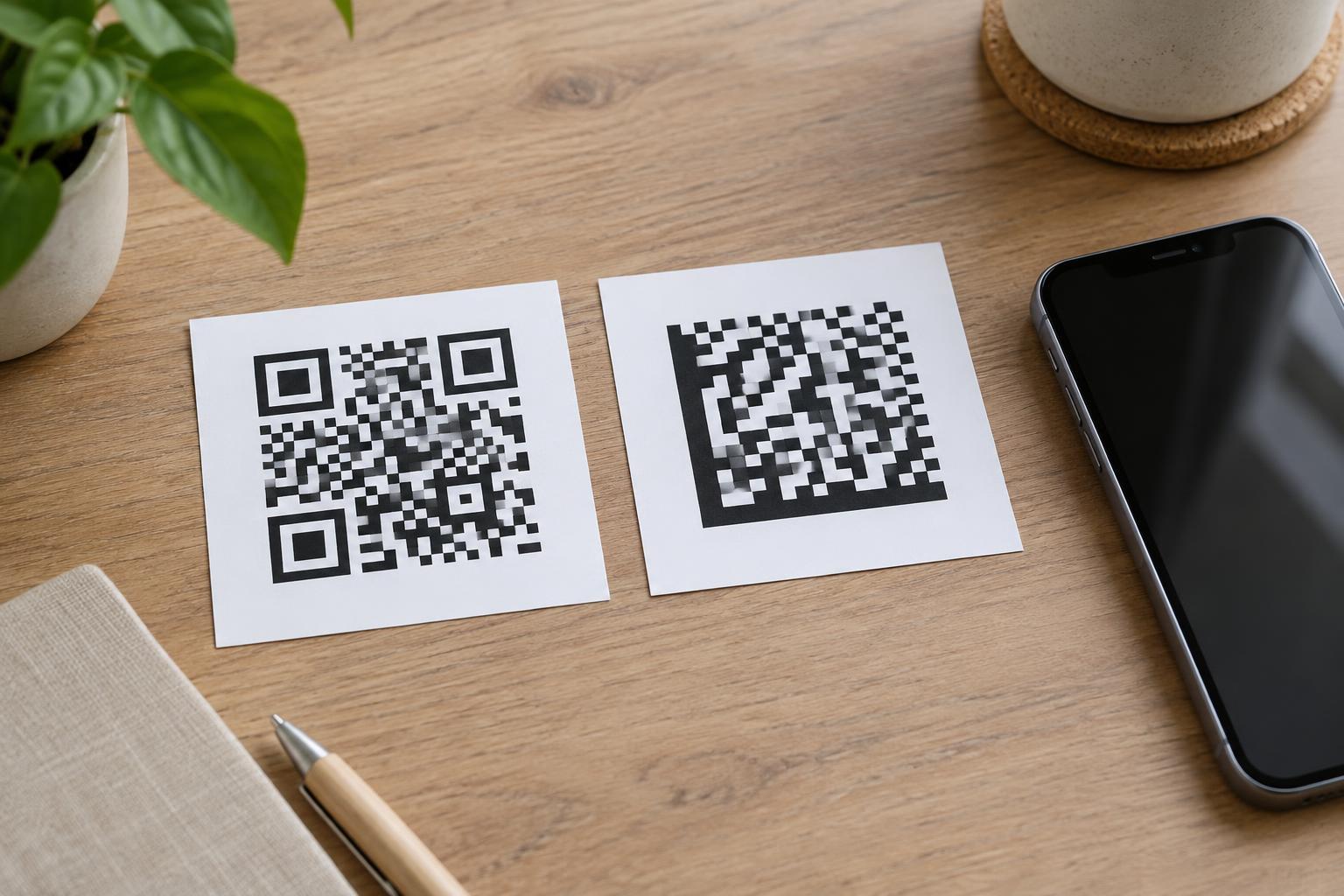
There is an important practical difference between a shared code and a unique one. If every copy of a flyer displays the same offer code, the pattern alone cannot tell which person scanned it. A service that needs to recognize individual tickets or claims must provide a way to distinguish them and keep track of their status. Whether repeated use is permitted depends on those rules.
Why a later scan might fail
A code that worked yesterday can become difficult to scan if its physical condition changes. Scratches, folds, glare, low contrast or a sticker covering part of the pattern can make it harder for a camera to read. A code on a screen may also be too small or dim for the viewing conditions. Keeping a clear, unobstructed copy helps people scan it more reliably over time.
It is also possible for the scan to succeed but the next step to fail. Someone may see the web address on their phone, yet be unable to load the page because they have no connection or the destination is unavailable. When troubleshooting, check where the process stops: can the phone read the pattern, and can it then open or use the information it found?
What to remember when sharing or scanning a code
If you are placing a QR code on a poster or product, you can usually expect the same visible code to serve multiple scans. Test a printed copy at its intended size and from a comfortable distance. If the code opens a web page, consider whether that address will remain useful for as long as the printed material is displayed. For time-limited access or individual admission, plan for a system that manages those limits rather than assuming the code will expire after being scanned.
As a scanner, treat the result as information to inspect, not as a guarantee of safety. Repeated scans do not make a code more trustworthy, and a code placed over an original sign could point somewhere unexpected. Before entering personal information or making a payment, check the destination and make sure the request fits the setting. The simple rule is that a QR code can be read again; what happens afterward depends on the information it contains and the service that receives it.