Start with the return journey, not the code
A customer deciding whether to return a product may have several questions: Is the item eligible? What should go in the package? Is a receipt needed? Where does the return go? A QR code can point to answers at the moment those questions arise. It is most useful when it opens a clear, mobile-friendly page rather than sending customers to a general homepage where they must search again.
Map the steps before creating the printed code. Identify what customers need to know before they start, what information they may need to provide, and what happens after they submit a request. A useful destination might offer a short overview of the return policy, followed by clearly labeled steps for starting a return, preparing an item and getting help. Keep eligibility rules visible so customers do not have to begin a form just to discover whether they can proceed.
Put the code where it helps
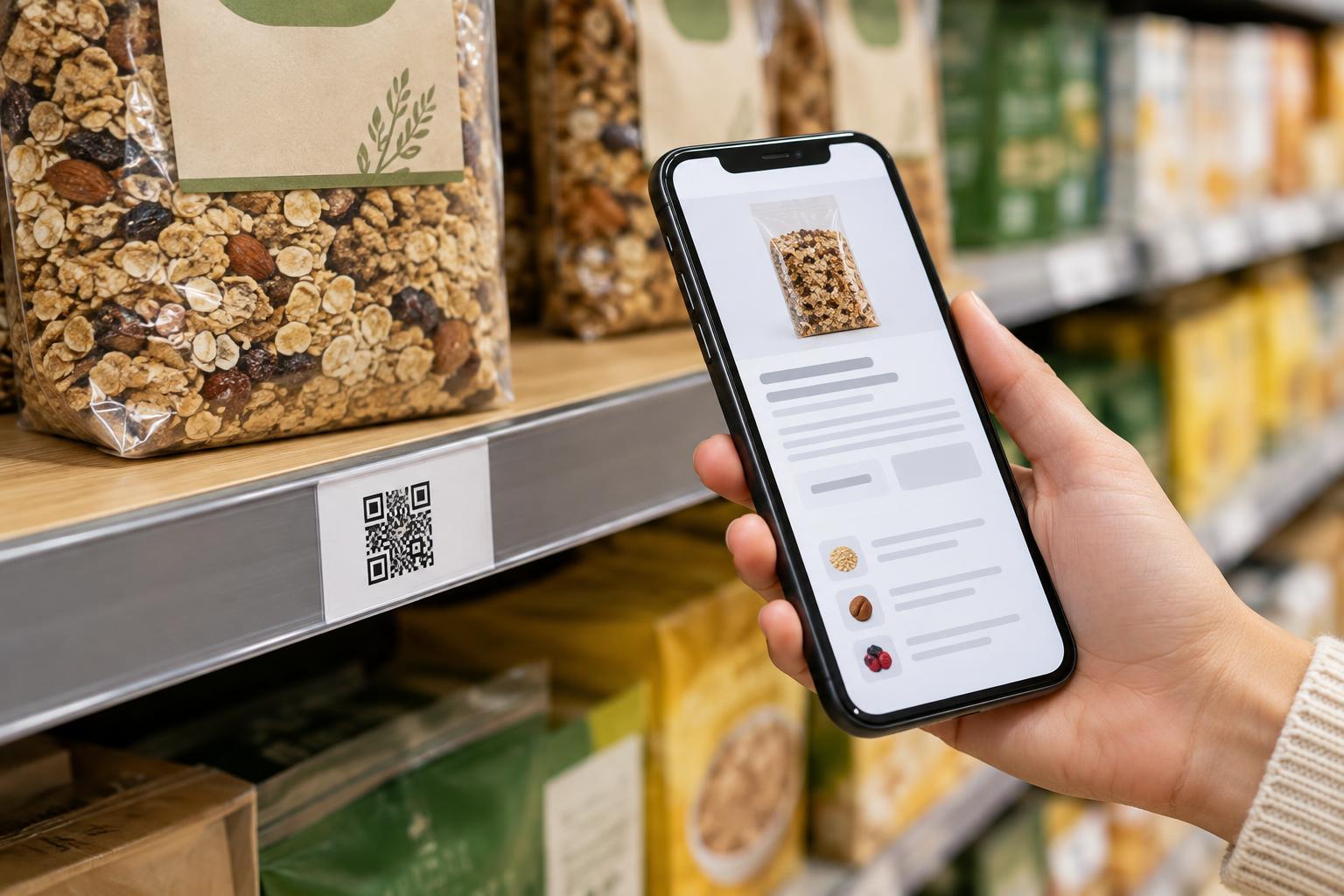
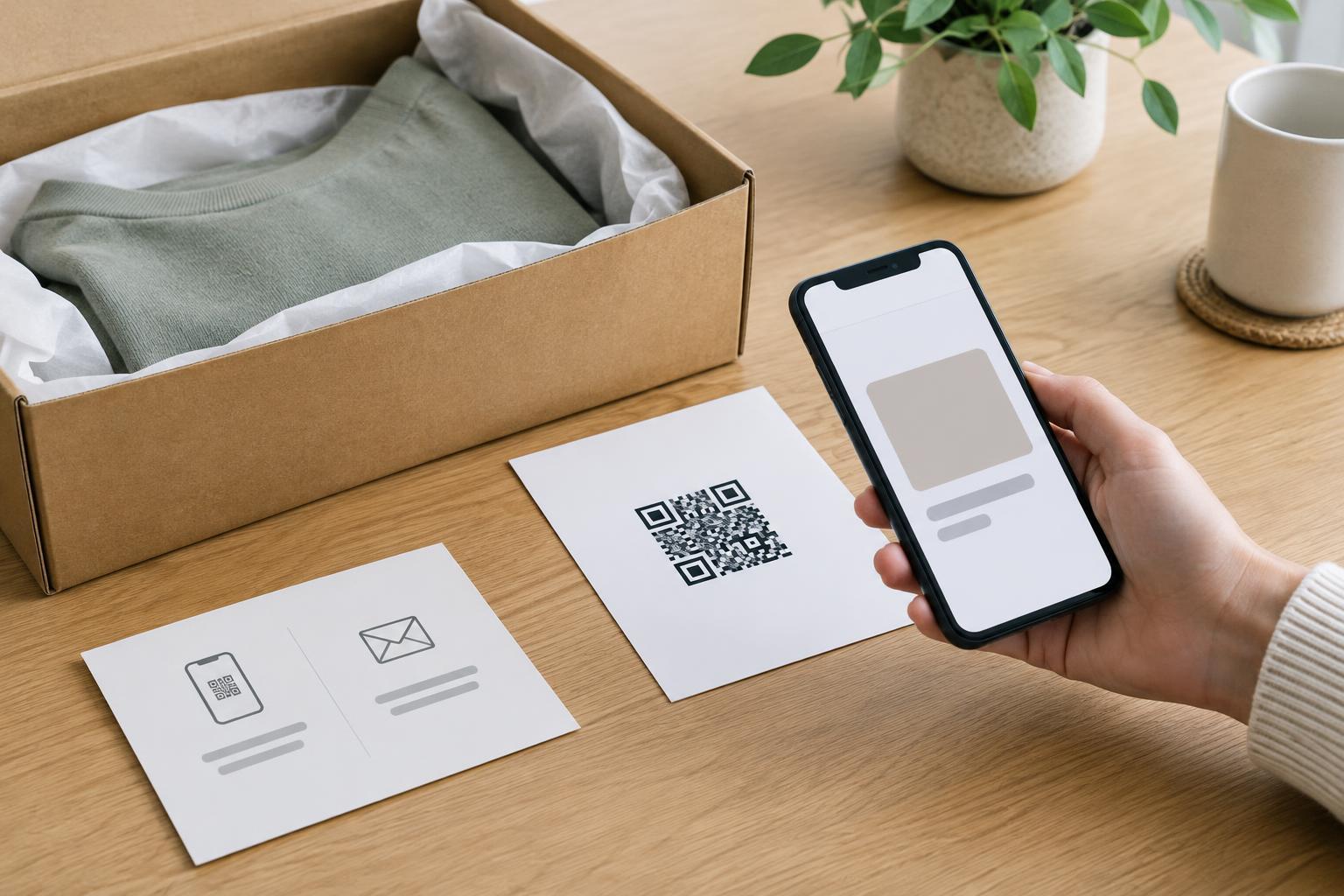
Placement should match the customer's likely situation. A card inside a shipment can help someone who has opened the package. A printed receipt can serve an in-store purchaser who kept it. Product packaging may be useful too, provided the code does not cover important product, safety or identification information. If the same code appears in several places, make sure its destination makes sense for all of them.
Give the code a plain-language label such as “Return instructions” and a brief description of what scanning will do. Do not assume the square pattern explains itself. Leave clear space around it, use strong contrast, and print it large enough to scan comfortably from the expected distance. Test a proof on different phones under ordinary lighting before producing a large batch. A code on a fold, curved surface or glossy patch may be harder to scan even when the destination works perfectly.
Make the destination easy to use
The page should be designed for someone who may be holding a phone and a product at the same time. Use short headings, readable text and a logical order. Explain which details are needed before asking for them, such as an order number or proof of purchase. If the process branches by purchase channel or item type, label those choices clearly. Avoid making customers guess which path applies.
A QR code should be a shortcut, not a requirement. Print a short, readable web address alongside it where practical, and offer another reasonable route, such as customer support or in-store assistance. On the destination page, ensure links and buttons have meaningful labels, forms can be completed without relying on color alone, and any instructions shown in images are also available as text. These choices help people who cannot scan the code or who use assistive technology.
Build trust into the process
Returns often involve personal information, so ask only for details needed to handle the request and explain why they are needed. A code printed on a package or receipt should not contain a customer's name, address or order details in its visible destination. If a customer-specific link is necessary, consider how the material might be seen or shared by someone else. Avoid promising privacy features that the return system does not actually provide.
Customers also need a way to recognize a legitimate destination. Use a clear label near the code, and make the landing page consistent with the business's usual identity and return information. Encourage customers to check the address their phone displays before opening a link, particularly if a code appears to be covered by a sticker. Staff should know the official return route so they can help someone who is unsure whether a code is genuine.
Check the experience after launch
Before distributing materials, follow the entire journey as a customer would: scan the code, read the policy, start a return if appropriate, and find the next step afterward. Check what happens if an item is ineligible or a form cannot be completed. Confirm that the printed fallback address and any support instructions still work. It is worth repeating these checks whenever the return policy or website changes.
Finally, listen for points of confusion. If customers regularly ask what to pack or where to take an item, make those answers easier to find on the page and, when possible, on the printed material. A good returns code does not replace a clear policy or helpful service. It simply connects the physical product to reliable instructions at a time when the customer needs them.