
The Future of Smart Technology in Everyday Life
Explore the intersection of smart technology, digital innovation, and online solutions as we delve into how these advancements are shaping our everyday lives and paving the way for future technological marvels. From the convenience of voice assistants to the interconnectedness of IoT devices, smart technology is no longer a futuristic concept but a present-day reality revolutionizing how we live, work, and interact.
Understanding Smart Technology and Digital Innovation
Smart technology refers to devices and systems that can sense their environment, process information, and act upon it with a degree of autonomy. This includes a wide range of applications, from smart homes and wearable devices to intelligent transportation systems and sophisticated industrial automation. Digital innovation, on the other hand, is the process of developing new digital products, services, and business models. These two concepts are intrinsically linked, with digital innovation often driving the creation and advancement of smart technologies.
Online solutions play a crucial role in enabling and enhancing smart technologies. Cloud computing provides the processing power and storage necessary for complex data analysis, while the internet of things (IoT) connects devices, allowing them to communicate and share data. This seamless integration of hardware, software, and connectivity is what makes smart technology so transformative.
Key Areas of Impact in Everyday Life
The influence of smart technology is far-reaching, impacting numerous facets of our daily routines:
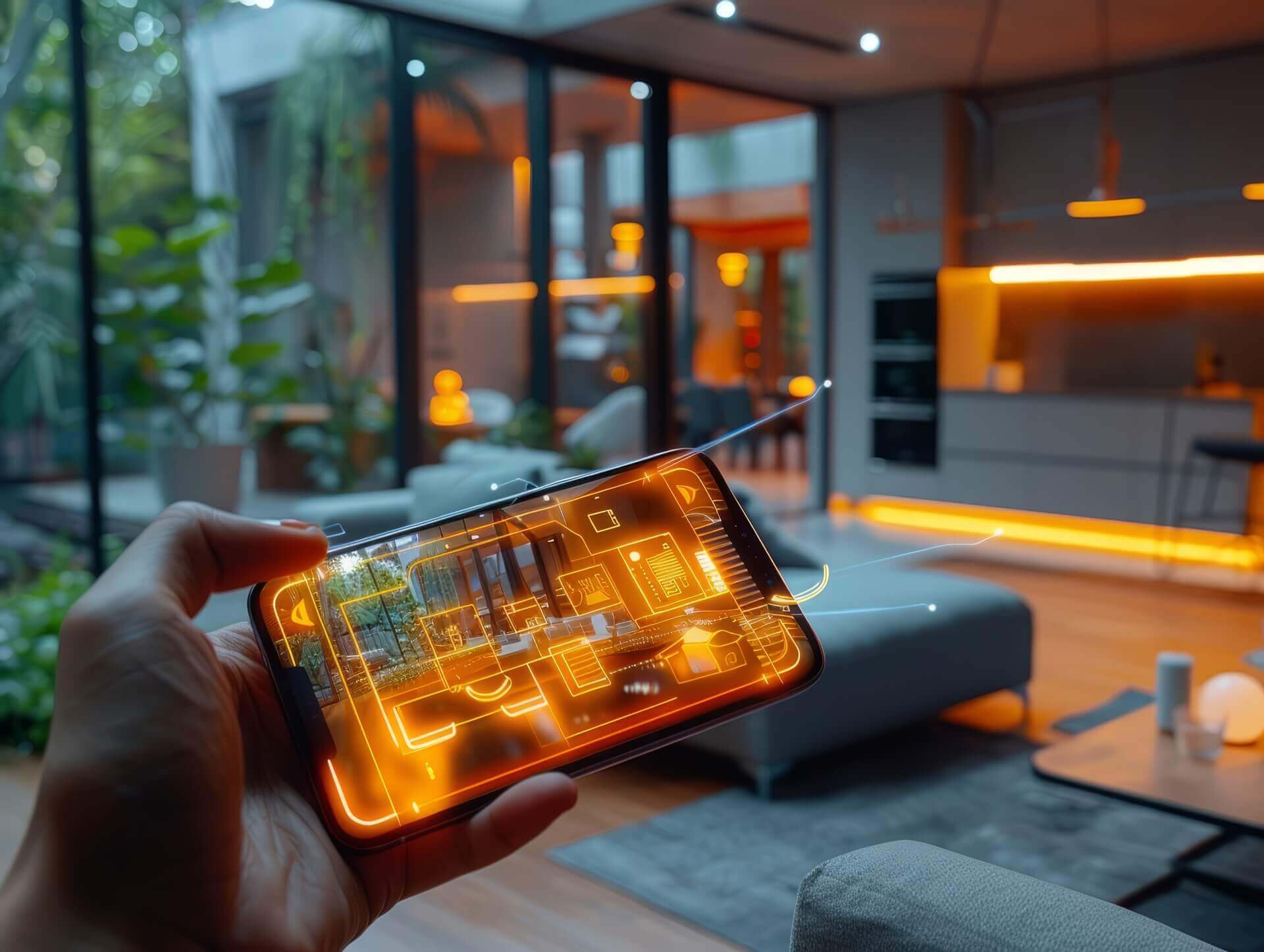
- Smart Homes: Devices like smart thermostats, lighting systems, security cameras, and voice assistants (e.g., Amazon Alexa, Google Assistant) offer enhanced convenience, energy efficiency, and security. They allow for remote control and automation of household tasks, creating more comfortable and responsive living environments.
- Wearable Technology: Smartwatches and fitness trackers have become commonplace, monitoring health metrics, providing notifications, and facilitating communication. They empower individuals to take a more proactive role in managing their well-being.
- Transportation: From GPS navigation and traffic prediction to autonomous driving features and smart parking solutions, smart technology is making travel safer, more efficient, and less stressful. Connected vehicles are also paving the way for a more integrated transportation network.
- Healthcare: Remote patient monitoring, AI-powered diagnostics, and personalized treatment plans are examples of how smart technology is revolutionizing healthcare. Telemedicine has expanded access to medical expertise, especially in underserved areas.
- Workplace: Smart offices are equipped with automated systems for lighting, climate control, and security. Collaboration tools, AI-powered productivity software, and robotics are transforming how businesses operate, leading to increased efficiency and new job roles.
The Role of Online Solutions in Smart Ecosystems
Online solutions are the backbone of most smart technology implementations. Cloud platforms facilitate the storage, processing, and analysis of vast amounts of data generated by smart devices. This data is essential for training AI algorithms, personalizing user experiences, and enabling predictive capabilities.
Furthermore, online platforms and applications serve as the primary interface for users to interact with their smart devices. Mobile apps allow for remote control and monitoring, while web-based dashboards offer comprehensive insights into device performance and usage patterns. The security and privacy of these online connections are paramount, driving continuous innovation in cybersecurity measures.
Challenges and Ethical Considerations
Despite the numerous benefits, the proliferation of smart technology also presents challenges. Data privacy and security are significant concerns, as vast amounts of personal information are collected and transmitted. Ensuring robust security protocols and transparent data usage policies is crucial for building trust.
Ethical considerations also arise, particularly with the increasing autonomy of AI systems. Questions surrounding job displacement due to automation, algorithmic bias, and the potential for misuse of technology require ongoing discussion and regulatory oversight. Ensuring equitable access to these technologies and preventing a digital divide is another important societal challenge.
The Road Ahead: Future Technological Marvels
The future of smart technology promises even more groundbreaking advancements. We can anticipate a further integration of AI into our daily lives, leading to more sophisticated personalization and predictive capabilities. The expansion of 5G and future wireless technologies will enable faster, more reliable connectivity for an ever-increasing number of devices.
The convergence of smart technology with other emerging fields like virtual reality (VR) and augmented reality (AR) will create immersive experiences and new forms of interaction. From fully autonomous cities to hyper-personalized learning environments, the potential for smart technology to reshape our world is immense. Embracing digital innovation and developing robust online solutions will be key to unlocking these future possibilities.
In conclusion, smart technology, coupled with digital innovation and comprehensive online solutions, is fundamentally altering the fabric of our everyday existence. By understanding its capabilities, addressing its challenges, and anticipating its future trajectory, we can better navigate and harness the transformative power of these advancements.
Share your thoughts on the future of smart technology in the comments below!