
The Role of QR Codes in Smart Cities
In an increasingly interconnected world, the concept of the ‘smart city’ is rapidly evolving, aiming to enhance urban living through technology and data. At the heart of this transformation, often overlooked yet critically important, are QR codes. These seemingly simple two-dimensional barcodes are becoming indispensable tools, bridging the gap between the physical and digital realms within our urban environments. From streamlining everyday tasks to enabling sophisticated urban technology, QR codes are silently revolutionizing how we interact with our cities.
What are QR Codes and Why are They Relevant to Smart Cities?
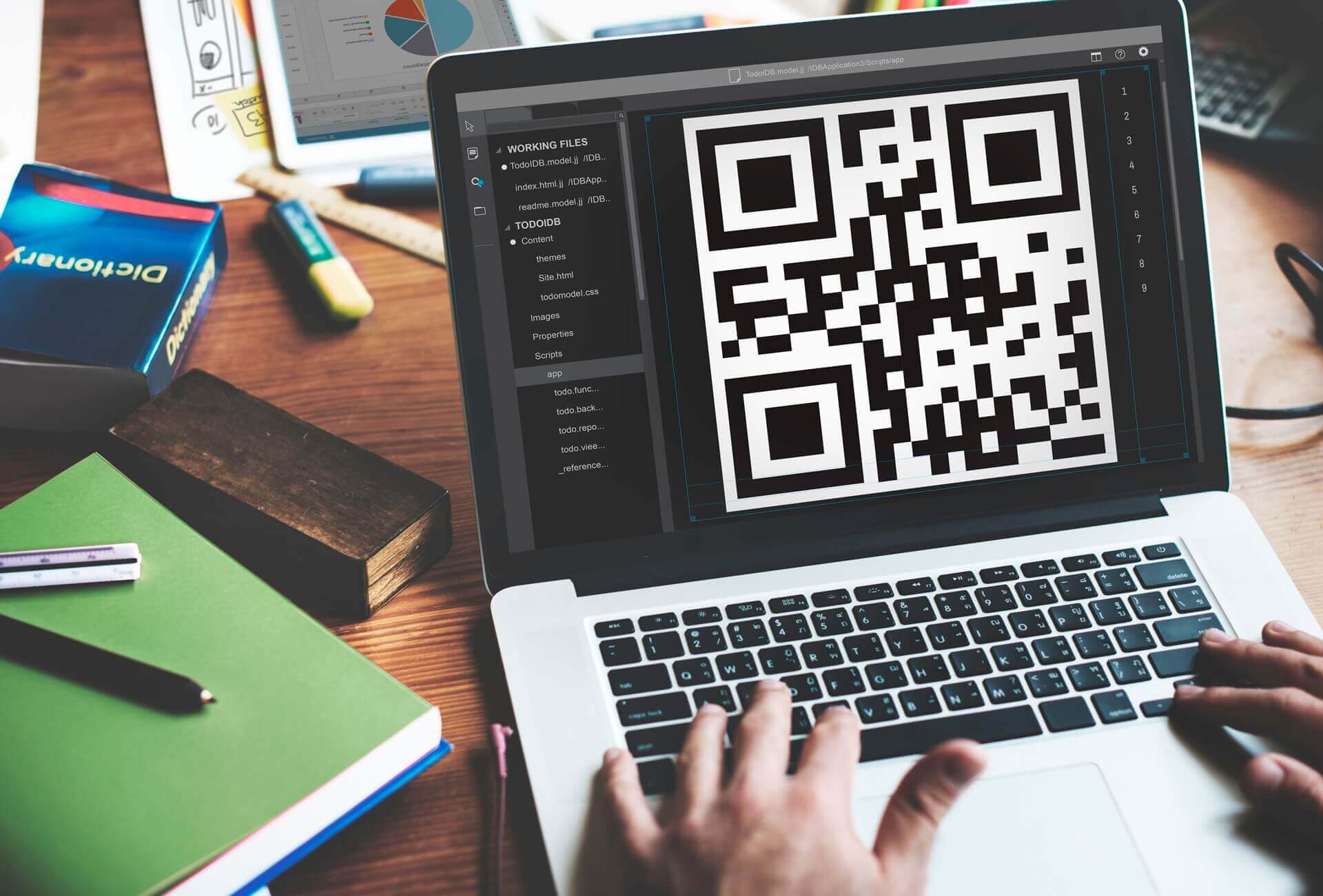
QR (Quick Response) codes are a type of matrix barcode that can store information such as website URLs, text, contact details, or even Wi-Fi credentials. Their ability to be quickly scanned by smartphones makes them an ideal interface for accessing digital information from physical locations. In the context of smart cities, this translates into numerous practical applications that enhance efficiency, convenience, and citizen engagement. The inherent simplicity and accessibility of QR codes, coupled with the widespread adoption of smartphones, make them a cornerstone technology for modern urban development.
The Evolution of QR Codes in Urban Technology
Initially known for their use in marketing and information dissemination, QR codes have matured into robust solutions for complex urban systems. Their ability to store diverse data types means they can serve multiple functions, from basic navigation to intricate transaction processing. As cities become more data-driven, the demand for seamless integration of physical and digital touchpoints grows, a role that QR codes are perfectly suited to fill.
Streamlining Mobile Ticketing and Transportation
One of the most visible impacts of QR codes in smart cities is within the transportation sector. Mobile ticketing systems have largely replaced traditional paper tickets, offering a more convenient and sustainable alternative. Passengers can purchase tickets via an app and receive a QR code, which is then scanned at entry points or by inspectors. This not only speeds up boarding processes but also reduces waste and administrative overhead.
- Bus and Train Ticketing: Passengers scan a QR code on their mobile device to board public transport.
- Event Access: QR codes are used for entry to concerts, sports events, and other public gatherings within the city.
- Parking Management: QR codes can facilitate contactless payment for parking meters or provide information about available parking spots.
- Bike and Scooter Sharing: Users scan QR codes on shared mobility devices to unlock and rent them.
The integration of QR codes in these systems significantly enhances the efficiency of urban mobility, making commutes smoother and more accessible for residents and tourists alike.
Enhancing Citizen Services and Information Access
Beyond transportation, QR codes are instrumental in improving access to city services and information. They act as quick links to digital resources, empowering citizens with readily available data and services.
Public Information and Navigation
City infrastructure can be augmented with QR codes that provide immediate access to relevant information. For instance, a QR code on a historical monument could link to its detailed history, or a code on a park bench could offer information about the local flora and fauna or nearby amenities. This transforms static public spaces into dynamic information hubs.
- Wayfinding: QR codes can provide interactive maps and directions to public facilities, attractions, or specific locations.
- Service Information: Codes placed on public utilities or administrative buildings can link to service details, contact information, or online application forms.
- Emergency Information: In critical situations, QR codes can be deployed to quickly disseminate vital information or direct people to safety resources.
Digital Solutions for Urban Living
The versatility of QR codes extends to various digital solutions designed to improve the quality of urban life. They facilitate contactless interactions, which have become increasingly important in recent times, and offer a secure method for data exchange.
- Contactless Payments: QR codes are increasingly used for payments at local businesses, markets, and even for utility bills.
- Feedback and Reporting: Citizens can use QR codes to easily report issues like potholes, graffiti, or broken streetlights, often linking directly to a city reporting app or website.
- Digital Menus and Ordering: Restaurants and cafes in smart cities often use QR codes for customers to view menus and place orders, reducing physical contact.
- Access Control: In some smart buildings or gated communities, QR codes can be used for temporary access permissions.
Security and Data Privacy Considerations
While QR codes offer immense convenience, it is crucial to address security and data privacy concerns. The information encoded in a QR code can potentially be intercepted or manipulated. Therefore, smart city implementations must prioritize secure coding practices and ensure that sensitive data is protected through encryption and secure transmission protocols. Users should also be educated about potential phishing scams associated with QR codes and encouraged to only scan codes from trusted sources.
The Future of QR Codes in Smart Cities
As smart city initiatives continue to expand, the role of QR codes is likely to grow even further. Future applications may include integration with the Internet of Things (IoT) devices, personalized citizen services based on scanned codes, and advanced data analytics derived from QR code interactions. The continued development of mobile technology and augmented reality will undoubtedly unlock new possibilities for these ubiquitous digital gateways.
In conclusion, QR codes are a fundamental component of the modern smart city, acting as versatile and accessible bridges between the physical urban landscape and the digital world. Their ability to streamline mobile ticketing, enhance citizen services, and provide innovative digital solutions makes them an invaluable asset in the ongoing effort to create more efficient, convenient, and sustainable urban environments. As technology evolves, we can expect QR codes to play an even more prominent role in shaping the future of city living.
What are your experiences with QR codes in your city? Share your thoughts in the comments below!